Critters of the Week
Critters of the Week
A wild critter we spotted in the RVA area and a critter up for adoption by Richmond SPCA.

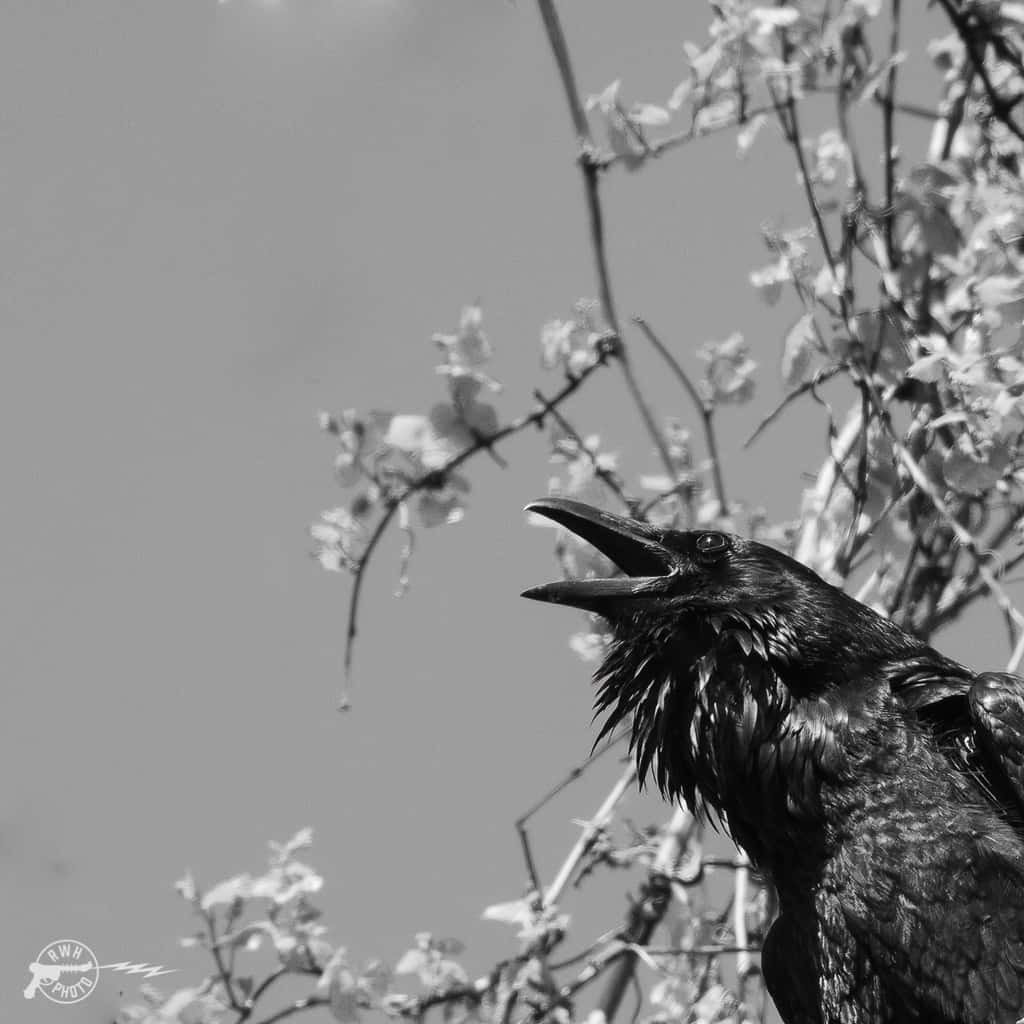
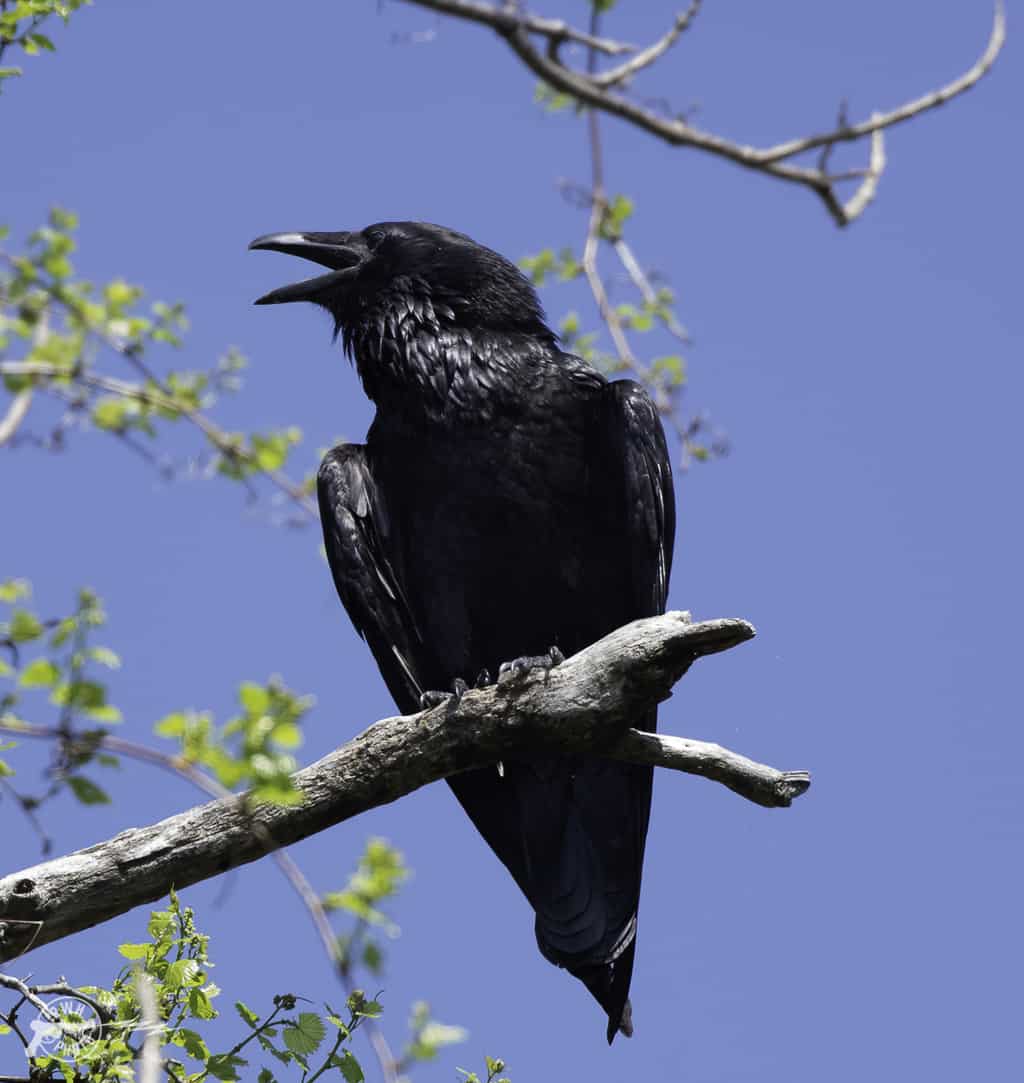

Where Spotted: Floodwall
Common Name: Common Raven
Scientific Name: Corvus corax
Length: 22.1-27.2 in (56-69 cm)
Weight: 24.3-57.3 oz (689-1625 g)
Wingspan: 45.7-46.5 in (116-118 cm)
- The Common Raven is an acrobatic flier, often doing rolls and somersaults in the air. One bird was seen flying upside down for more than a half-mile. Young birds are fond of playing games with sticks, repeatedly dropping them, then diving to catch them in midair.
- Breeding pairs of Common Ravens hold territories and try to exclude all other ravens throughout the year. In winter, young ravens finding a carcass will call other ravens to the prize. They apparently do this to overwhelm the local territory owners by force of numbers to gain access to the food.
- Common Ravens are smart, which makes them dangerous predators. They sometimes work in pairs to raid seabird colonies, with one bird distracting an incubating adult and the other waiting to grab an egg or chick as soon as it’s uncovered. They’ve been seen waiting in trees as ewes give birth, then attacking the newborn lambs.
- They also use their intellect to put together cause and effect. A study in Wyoming discovered that during hunting season, the sound of a gunshot draws ravens in to investigate a presumed carcass, whereas the birds ignore sounds that are just as loud but harmless, such as an airhorn or a car door slamming.
- People the world over sense a certain kind of personality in ravens. Edgar Allan Poe clearly found them a little creepy. The captive ravens at the Tower of London are beloved and perhaps a little feared: legend has it that if they ever leave the tower, the British Empire will crumble. Native people of the Pacific Northwest regard the raven as an incurable trickster, bringing fire to people by stealing it from the sun, and stealing salmon only to drop them in rivers all over the world.
- Increasing raven populations threaten some vulnerable species including desert tortoises, Marbled Murrelets, and Least Terns. Ravens can cause trouble for people too. They’ve been implicated in causing power outages by contaminating insulators on power lines, fouling satellite dishes at the Goldstone Deep Space Site, peeling radar absorbent material off buildings at the Chinal Lake Naval Weapons center, pecking holes in airplane wings, stealing golf balls, opening campers’ tents, and raiding cars left open at parks.
- Common Ravens can mimic the calls of other bird species. When raised in captivity, they can even imitate human words; one Common Raven raised from birth was taught to mimic the word “nevermore.”
- The oldest known wild Common Raven was at least 22 years, 7 months old. It was banded and found in Nova Scotia.
If you’re a fan of original content like those photos above be sure to give our Instagram and Dickie’s Backyard Bird Blind Bonanza on FB a follow and consider making a donation.
[wpedon id=”165378″]
Crocus at Richmond SPCA

Age: 3 years,
Gender: Spayed Female
Color: Grey / White
Declawed: No
ID: 47475427
Adopt Crocus at the Richmond SPCA
In response to COVID-19 and in order to reduce visitor traffic, observe necessary social distancing and to best protect the health and wellbeing of thier staff and members of the public, Richmond SPCA has transitioned to adoptions by appointment only. Please review their adoption appointment process.




Savory Grain Closing this Sunday

Virginia Opera brings Pagliacci to the Carpenter Theatre on Nov. 13 and 15

Photo of the Day: Where Eagles Dare

The War on Cars Strikes on Election Day

Squirrel-O-Ween Flies into CarMax Park on Friday

Richmond musicians pay tribute to Dolly Parton at Get Tight Lounge on Oct. 10

University of Richmond lands record $150 million gift as it launches $600 million campaign

Hardywood and Starr Hill are officially one company, and neither brand is going anywhere

Richmond region visitor spending hits a record $4.1 billion in 2025

The Byrd Theatre screens the 1925 ‘Phantom of the Opera’ with a live Wurlitzer score on Oct. 25