Community
Owl Rescue and Release in Forest Hill Terrace
A wonderful result for a wayward owl.

Jennifer C. lives in Forest Hill Terrace and Monday night her dog became very interested in the fireplace. When the fireplace hooted she had an inkling of the problem. The problem as seen above was a Barred Owl that somehow got itself trapped in the fireplace. The how is still somewhat of a mystery as the owl was unresponsive to questioning. A phone call to dog trainer extraordinaire, wildlife-rehabbing, and bird-extrication wizard Brenda Gentry and rescue occurred Tuesday morning. After a quick check for injuries, the owl was released in the same neighborhood later that afternoon.


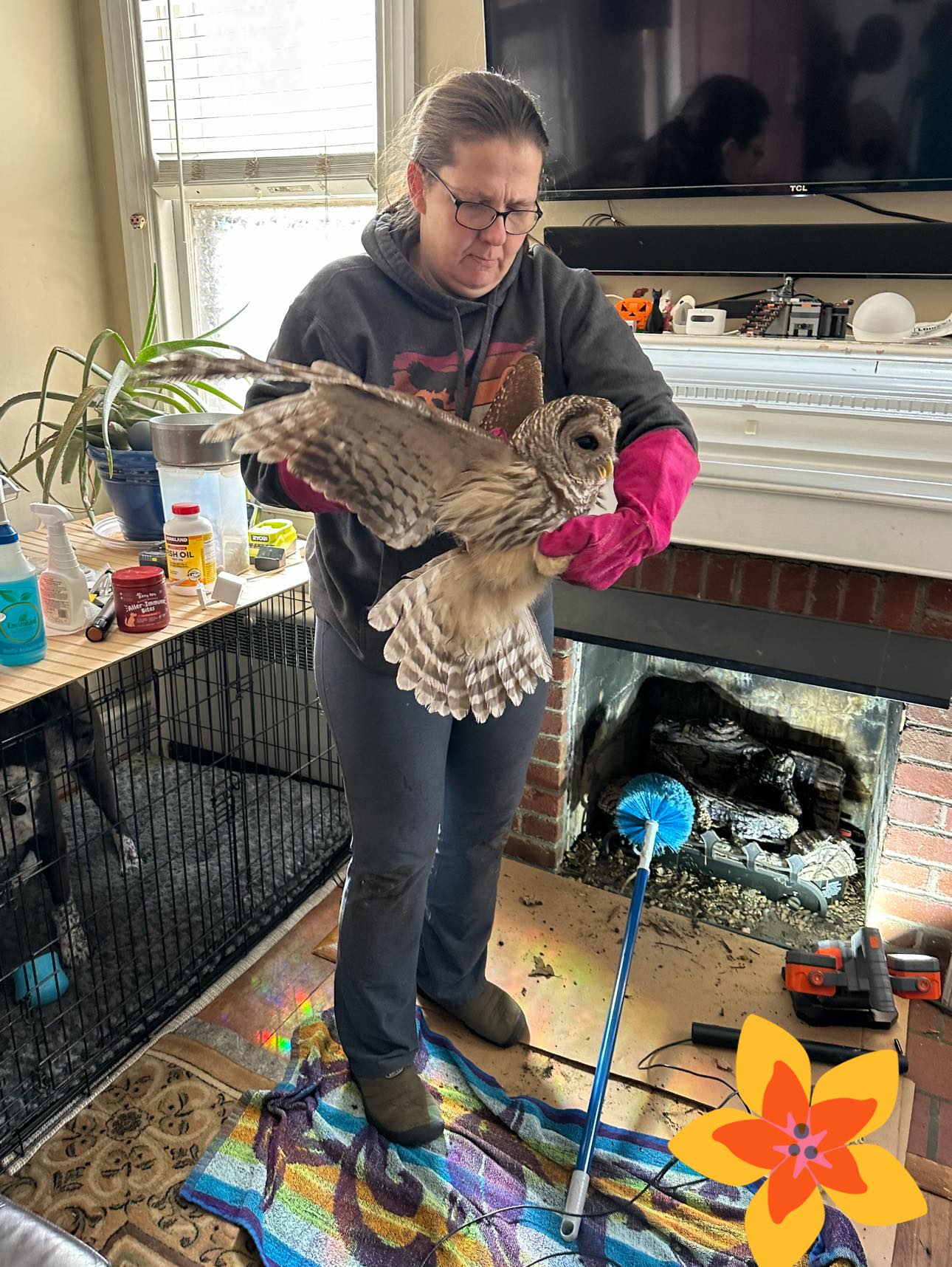
Photo by Jennifer C.

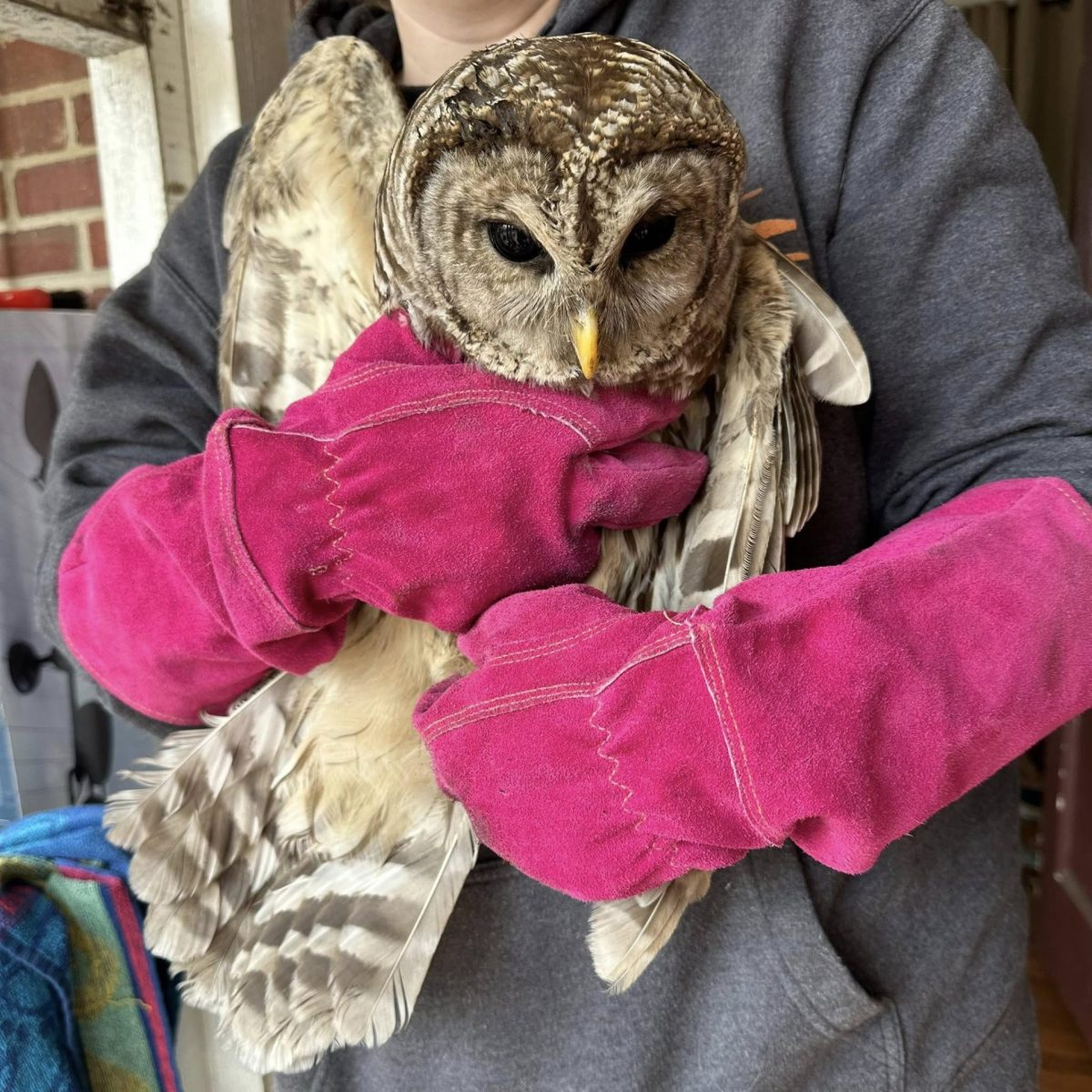
Photo by Jennifer C.
Anyone that has read this site for very long knows I’m a bird nerd so I was very excited to capture the release. So excited in fact that I completely blew all my shots. Fortunately Erin, one of the best photographers in our neighborhood was there so she snagged these shots. Give her Instagram Vanjester a follow, you won’t be disappointed.

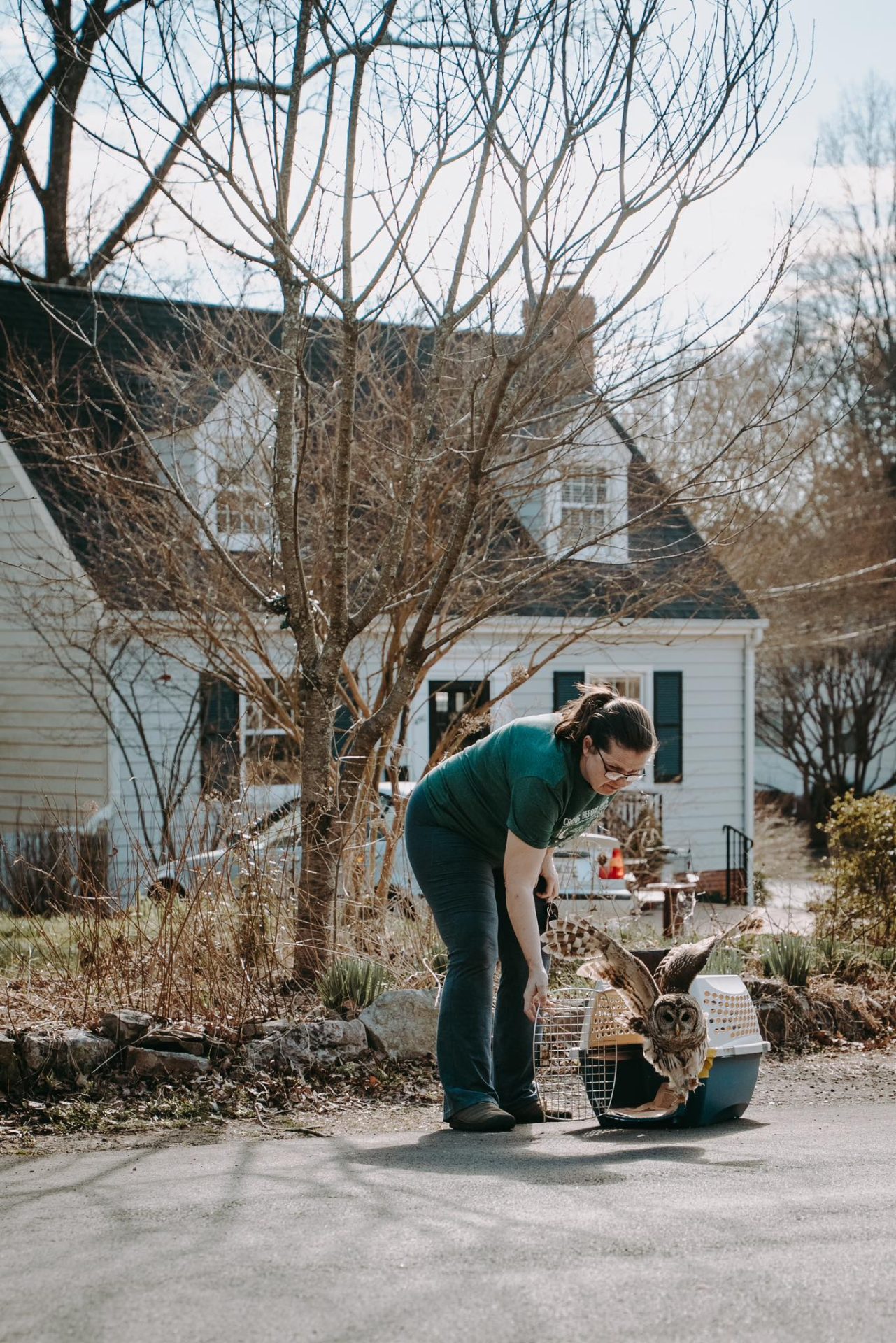
Photo by Erin
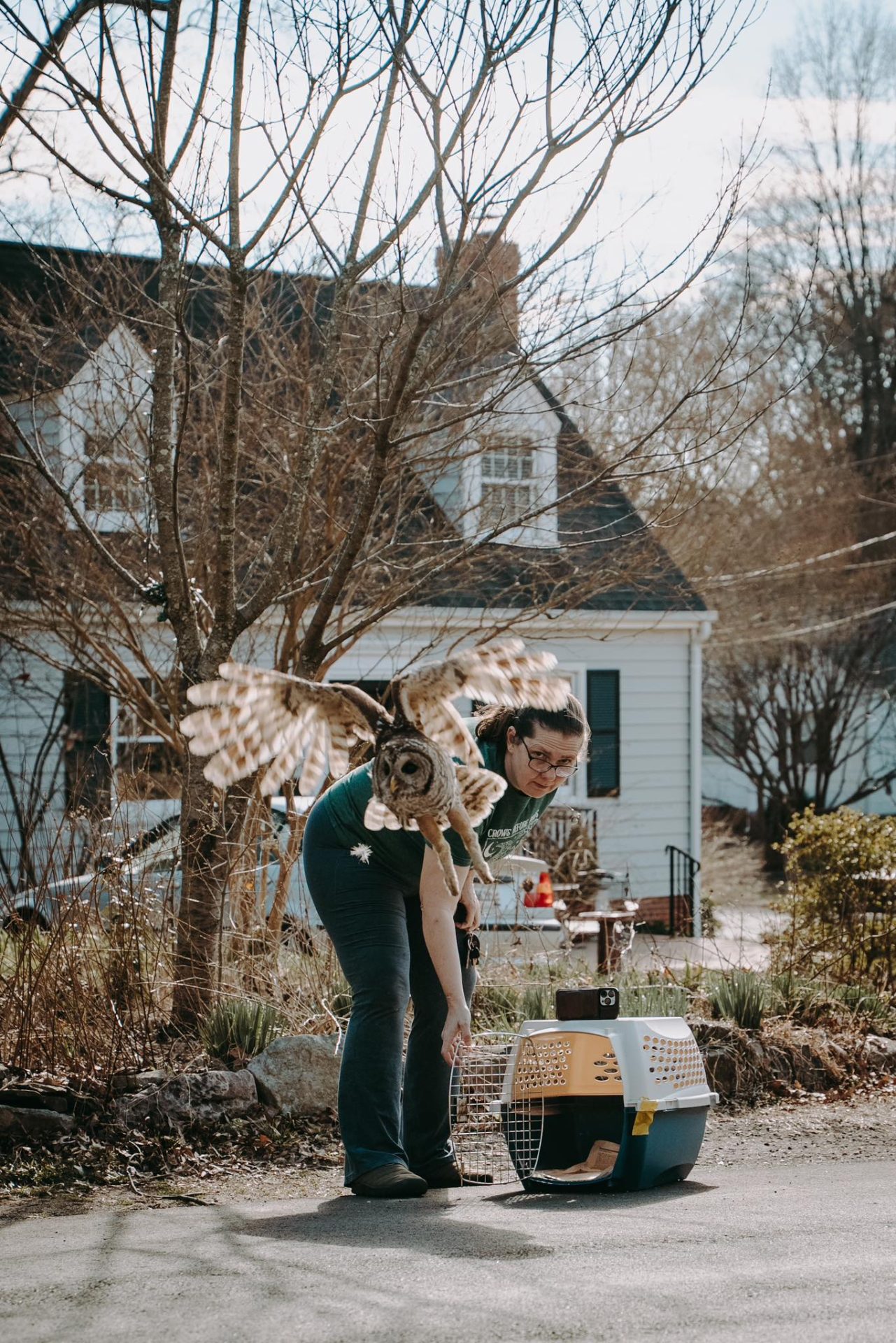
The owl flew straight to a perch much to the consternation of the little birds in the area. After a few moments the owl flew off into the woods. Below are my two contributions to this photo story.
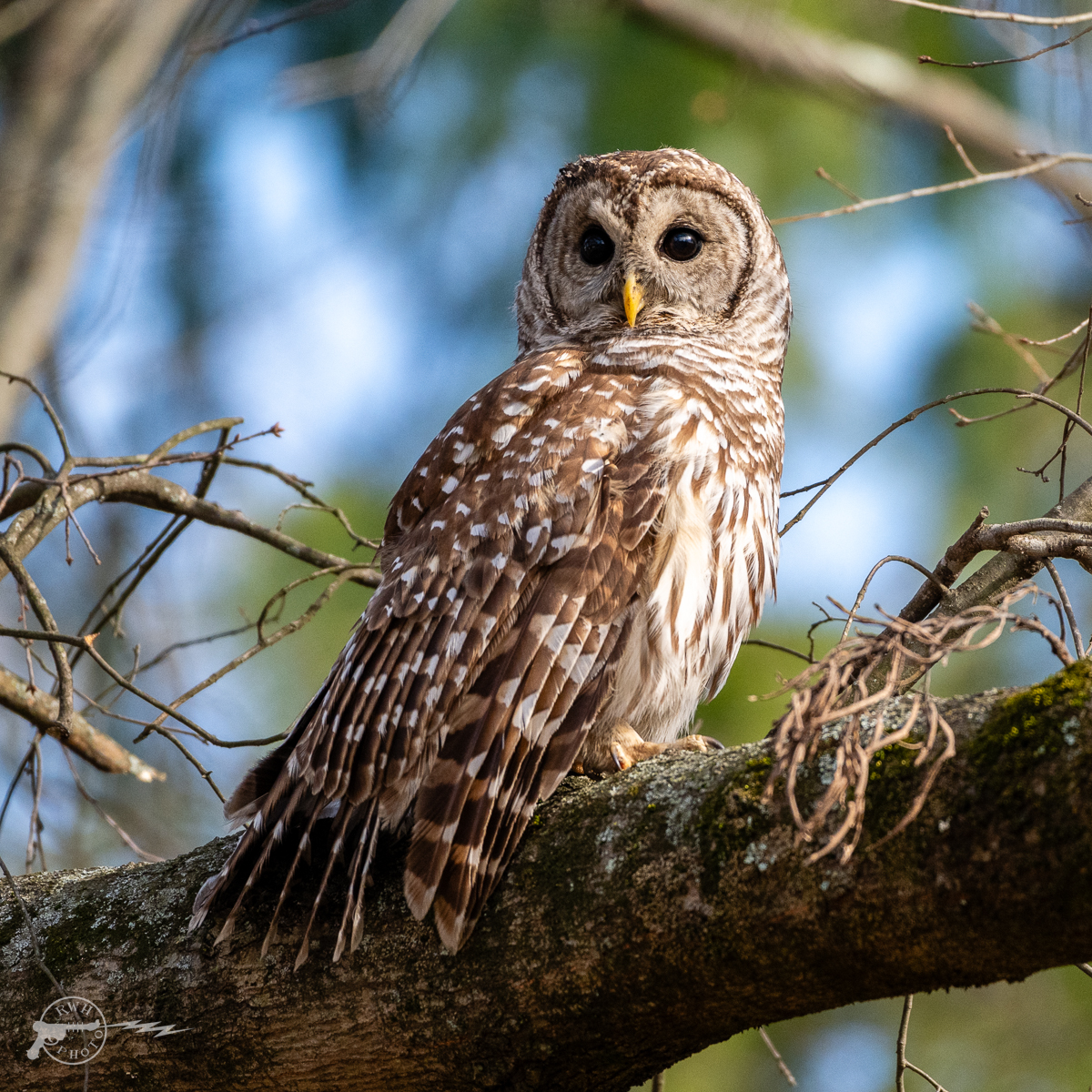
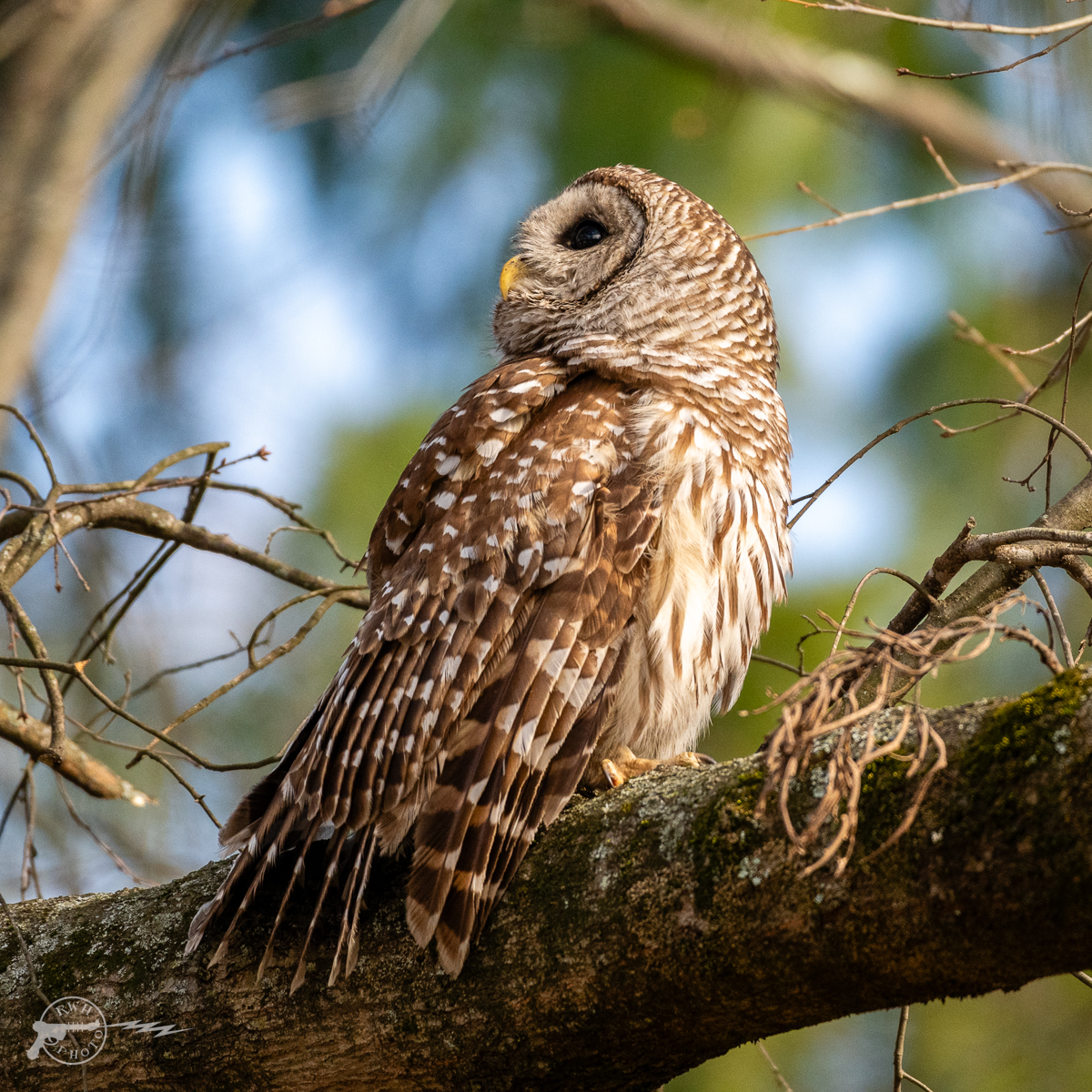
Barred Owl Facts
Common Name: Barred Owl
Scientific Name: Strix varia
Length: 16.9-19.7 in (43-50 cm)
Weight: 16.6-37.0 oz (470-1050 g)
Wingspan: 39.0-43.3 in (99-110 cm)
Quick Facts (Cornell Lab)
- The Great Horned Owl is the most serious predatory threat to the Barred Owl. Although the two species often live in the same areas, a Barred Owl will move to another part of its territory when a Great Horned Owl is nearby.
- Pleistocene fossils of Barred Owls, at least 11,000 years old, have been dug up in Florida, Tennessee, and Ontario.
- Barred Owls don’t migrate, and they don’t even move around very much. Of 158 birds that were banded and then found later, none had moved farther than 6 miles away.
- Despite their generally sedentary nature, Barred Owls have recently expanded their range into the Pacific Northwest. There, they are displacing and hybridizing with Spotted Owls—their slightly smaller, less aggressive cousins—which are already threatened from habitat loss.
- Young Barred Owls can climb trees by grasping the bark with their bill and talons, flapping their wings, and walking their way up the trunk.
- The oldest recorded Barred Owl was at least 24 years, 1 month old. It was banded in Minnesota in 1986, and found dead, entangled in fishing gear, in the same state in 2010.

