Critters of the Week
Critters of the Week
A wild critter we spotted in the RVA area and a critter up for adoption by Richmond SPCA.

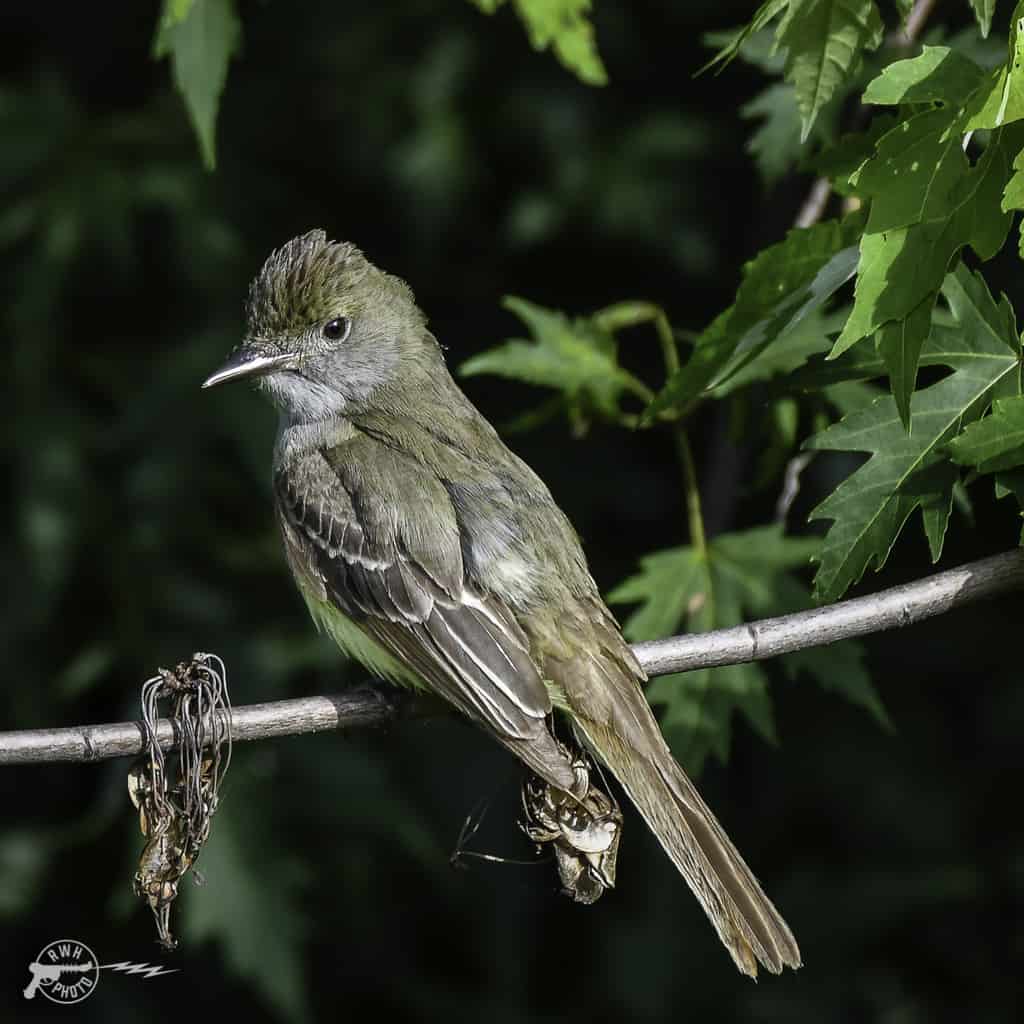

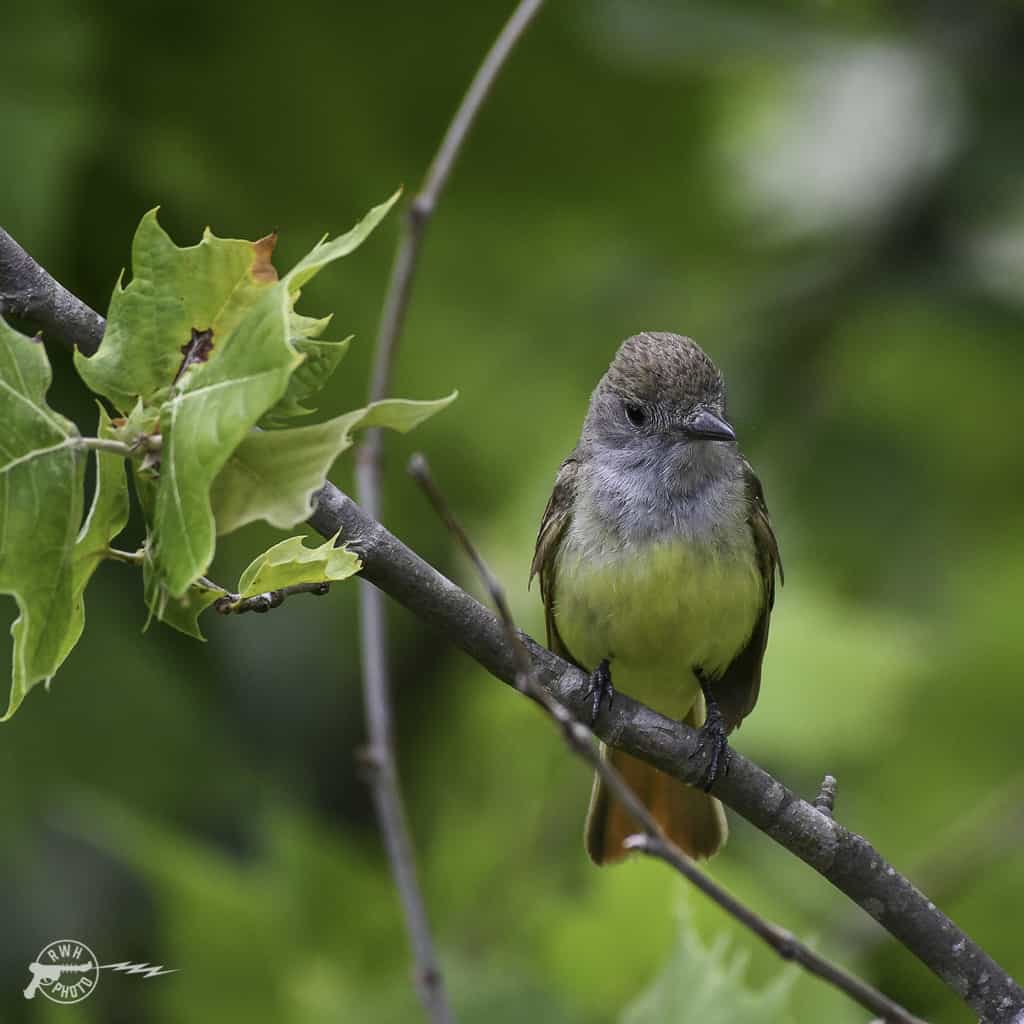
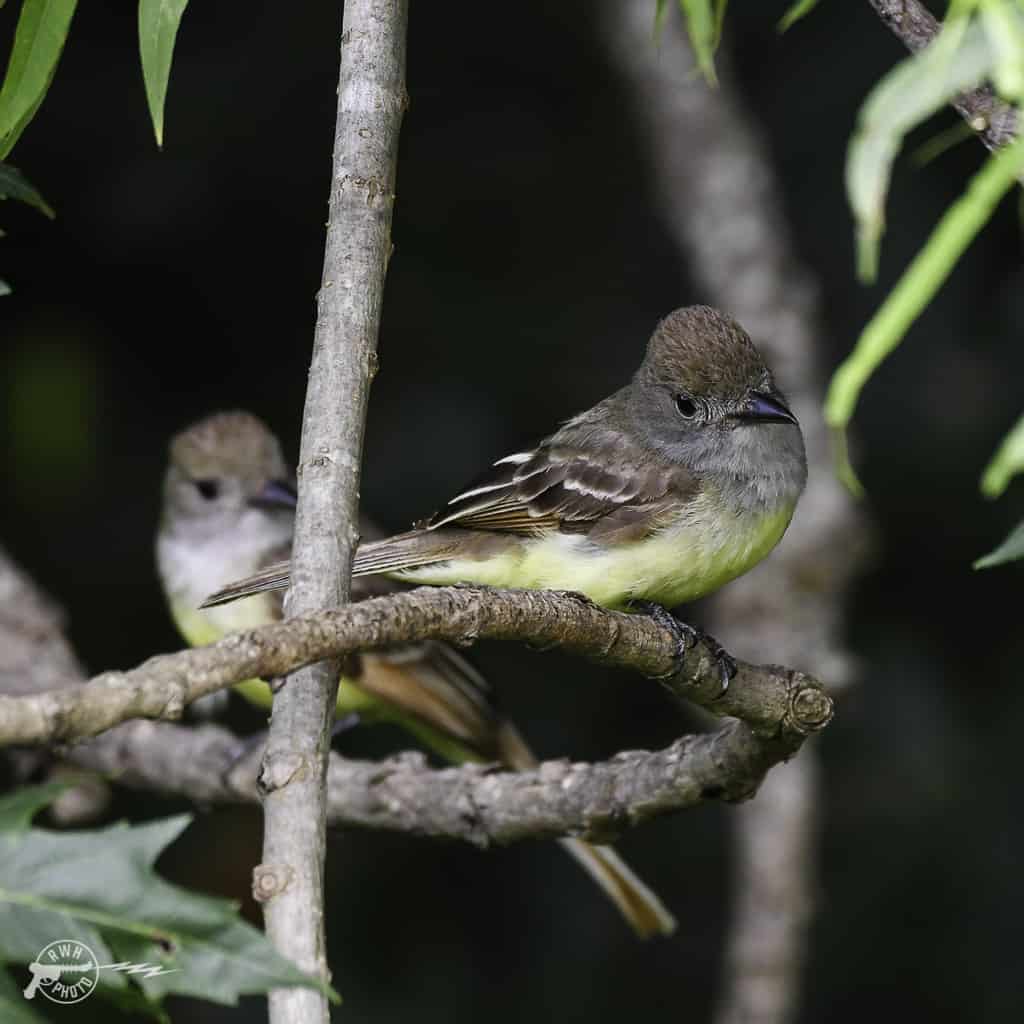


Where Spotted: T-Pot Bridge
Common Name: Great Crested Flycatcher
Scientific Name: Myiarchus crinitus
Length: 6.7-8.3 in (17-21 cm)
Weight: 0.9-1.4 oz (27-40 g)
Wingspan: 13.4 in (34 cm)
Quick Facts Courtesy of Cornell Labs
- Great Crested Flycatchers weave shed snakeskin into their nest. Where it’s readily available, as in Florida, nearly every nest contains snakeskin. They also seem to look for flimsy, crinkly nest materials—they’ve also used onion skins, cellophane, or plastic wrappers.
- Though they’re flycatchers, these birds also eat a fair amount of fruit. Instead of picking at the flesh of small fruit, Great Crested Flycatchers swallow the fruit whole and regurgitate the pits, sometimes several at a time.
- Where other insect-snatching birds like Eastern Wood-Pewees, Least Flycatchers, Acadian Flycatchers, or Eastern Phoebes share their habitat, Great Crested Flycatchers exploit a niche higher in canopy to avoid direct competition for food. High up, they swoop out farther for prey, using multiple dead-branch perches.
- When the male sings, it’s to be heard, not to see or be seen. He picks a singing perch within the canopy, well away from branch ends. In contrast, hunting perches require an unobstructed view of potential prey and unobstructed flight paths to them, whether the prey are in the air or on leaves or twigs. Both sexes favor hunting from dead branches with a backdrop of foliage for cover.
- Nestlings rarely return to breed near where they were born. But once yearlings have chosen a breeding area, they often return to that same area year after year. Some pairs re-establish their bond from the previous season and may even reuse the same nesting cavity.
- Great Crested Flycatchers live along the edges between habitats; they don’t need big stretches of unbroken forest canopy to thrive. That means that logging and development practices that increase forest fragmentation actually work to their advantage, in sharp contrast to birds that dwell deep in the forest.
- The Great Crested Flycatcher is a bird of the treetops. It spends very little time on the ground, and does not hop or walk. It prefers to fly from place to place on the ground rather than walk.
- The Great Crested Flycatcher makes the same “wee-eep” calls on the wintering grounds that it makes in summer.
- The oldest recorded Great Crested Flycatcher was at least 14 years, 11 months old when it was found in Vermont in 1967. It had been banded in New Jersey in 1953.
If you’re a fan of original content like those photos above be sure to give our Instagram and Dickie’s Backyard Bird Blind Bonanza on FB a follow and consider making a donation.
[wpedon id=”165378″]
Mac at Richmond SPCA


Are you searching for a fun, friendly and adorable family member? My name is Mac and I’m the guy for you! I am pretty lonely here by myself, just waiting for my special someone to come along. Won’t you please take me home today?
Age: 4 years, 2 months
Gender: Neutered Male
Color: Brown / White
Size: L (dog size guide)
ID: 47589834
Learn more about their adoption process.


