Critters of the Week
Critters of the Week
A wild critter we spotted in the RVA area and a critter up for adoption by Richmond SPCA.

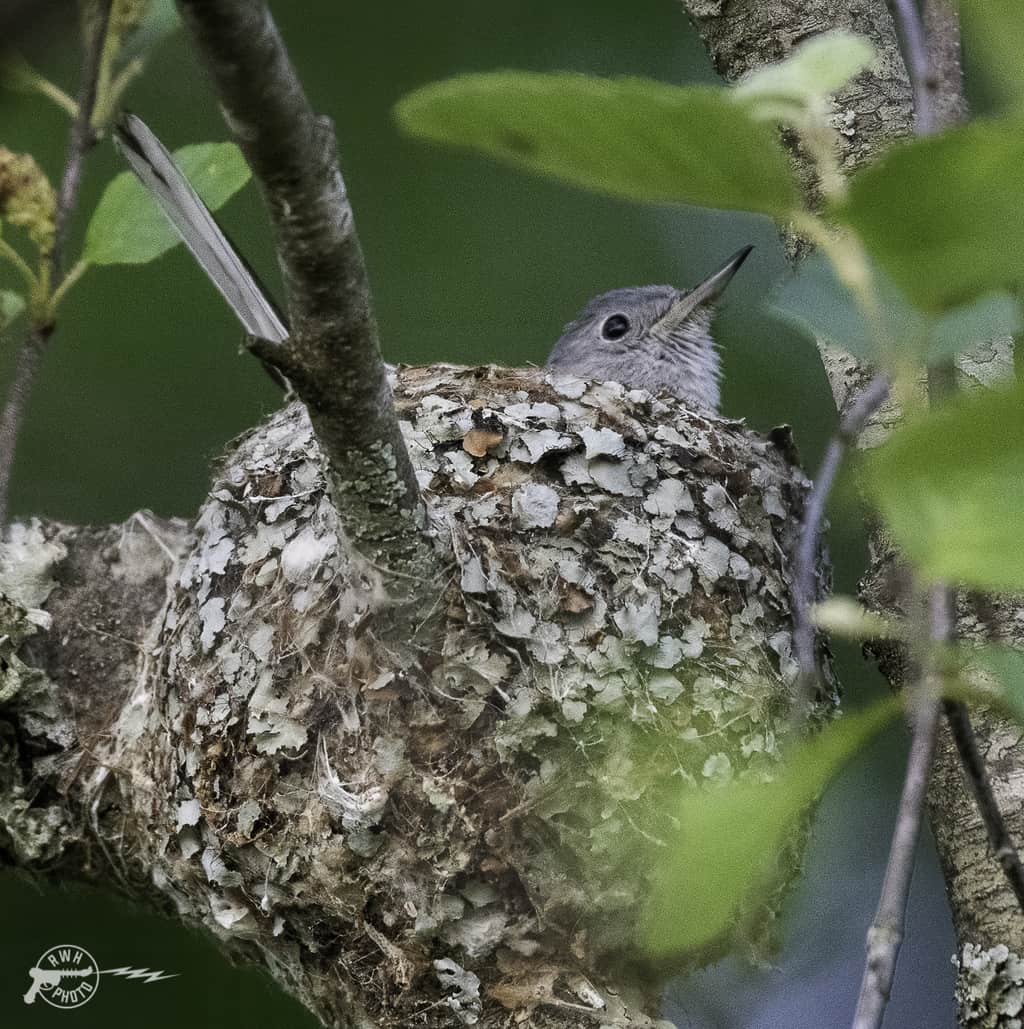


Where Spotted: Tuckahoe Creek Park
Common Name: Blue-Gray Gnatcatcher aka Mr. Angry Eyebrows
Scientific Name: Polioptila caerulea
Length: 3.9-4.3 in (10-11 cm)
Weight: 0.2-0.3 oz (4.8-8.9 g)
Wingspan: 6.3 in (16 cm)
Quick Facts Courtesy of Cornell Lab
- The Blue-gray Gnatcatcher’s grayish coloring and long tail, as well as the way it mixes snippets of other birds’ repertoires into its own high, nasal songs, have earned it the nickname “Little Mockingbird.”
- The nesting range of Blue-gray Gnatcatchers has been shifting northward since the early twentieth century. Over the last quarter of that century, the shift was about 200 miles, in concert with increasing average temperatures.
- A pair of Blue-gray Gnatcatchers can build up to seven nests in a breeding season. They often re-use nest material from previous nests, which speeds re-nesting. This can be essential to breeding success, since predation, nest parasitism, or mite infestations frequently cause nest loss and brood failure.
- Occasionally, significant numbers of Blue-gray Gnatcatchers “overshoot” on their spring migrations and end up much further north than usual. They may be carried past their target by strong southwest winds in warm regions, and by strong northerly winds on the west side of high pressure systems. Most probably make their way back south before nesting.
- In spite of their name, gnats do not form a significant part of the Blue-gray Gnatcatcher’s diet.
- Fiercely territorial Blue-gray Gnatcatchers may use vocal displays and postures to chase a rival as far as 70 feet. Further resistance by an intruder may provoke midair confrontations, with the two birds climbing steeply, breast-to-breast, snapping at each other.
- The Blue-gray Gnatcatcher is the northernmost-occurring species of gnatcatcher, and the only truly migratory one. Most members of its genus are resident in Central and South America.
- The oldest known Blue-Gray Gnatcatcher was a male, and at least 4 years, 2 months old, when it was recaught at a banding station in Pennsylvania and rereleased.
If you’re a fan of original content like those photos above be sure to give our Instagram and Dickie’s Backyard Bird Blind Bonanza on FB a follow and consider making a donation.
[wpedon id=”165378″]
Hot Cheeto
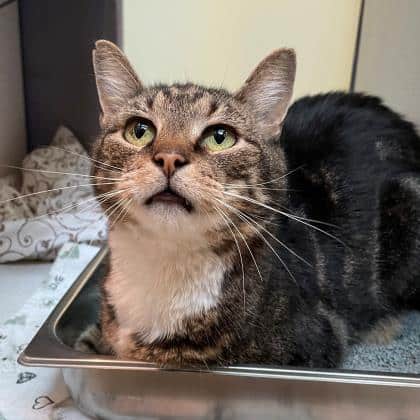

Hi! My name is Hot Cheeto and I’m a cute, curious little fellow looking for my place in this world and I hope that it’s with you! I love to play with toys and then have a cuddle session afterwards. I am quite silly and sure to keep you smiling with my antics. If you’d like to take me home, all you need to do is come and meet me!
Age: 7 years, 1 month
Gender: Neutered Male
Color: Brown / White
Declawed: No
ID: 47587979
Adopt Hot Cheeto at Richmond SPCA
In response to COVID-19 and in order to reduce visitor traffic, observe necessary social distancing and to best protect the health and wellbeing of thier staff and members of the public, Richmond SPCA has transitioned to adoptions by appointment only. Please review their adoption appointment process.

