Critters of the Week
Critters of the Week
A wild critter we spotted in the RVA area and a critter up for adoption by SPCA.

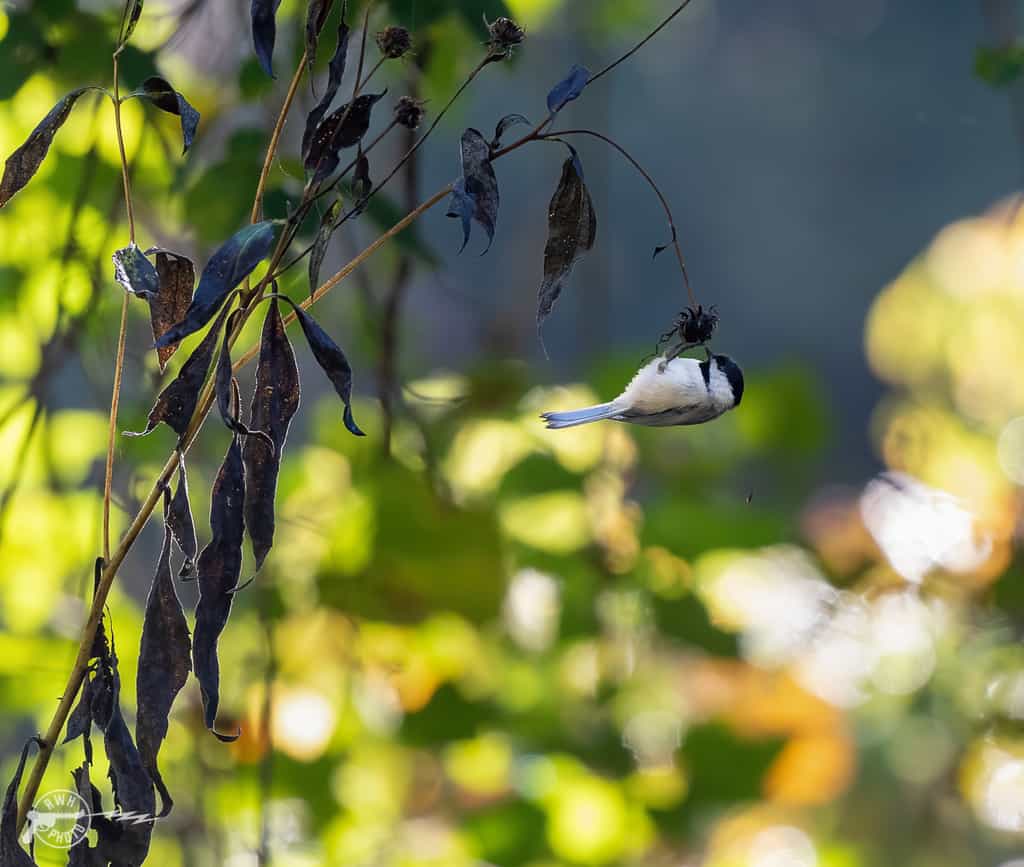
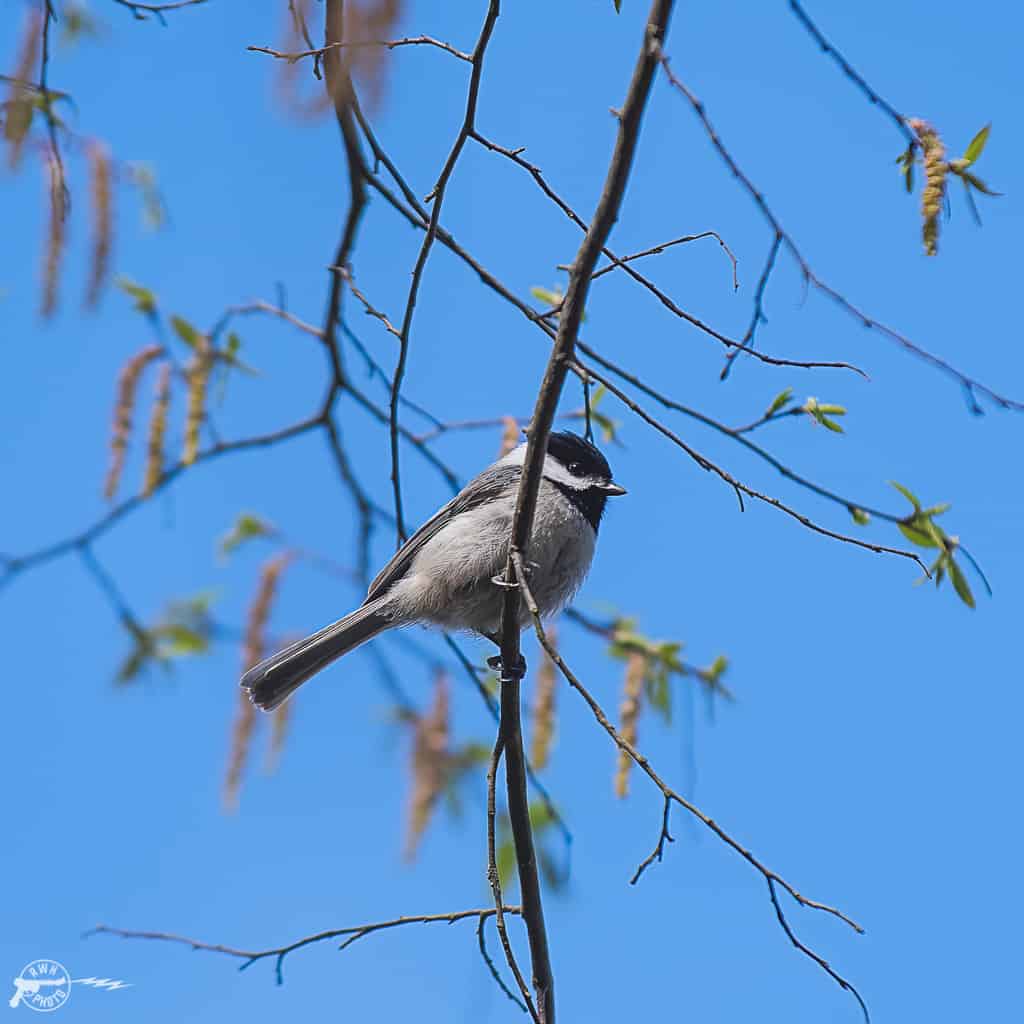

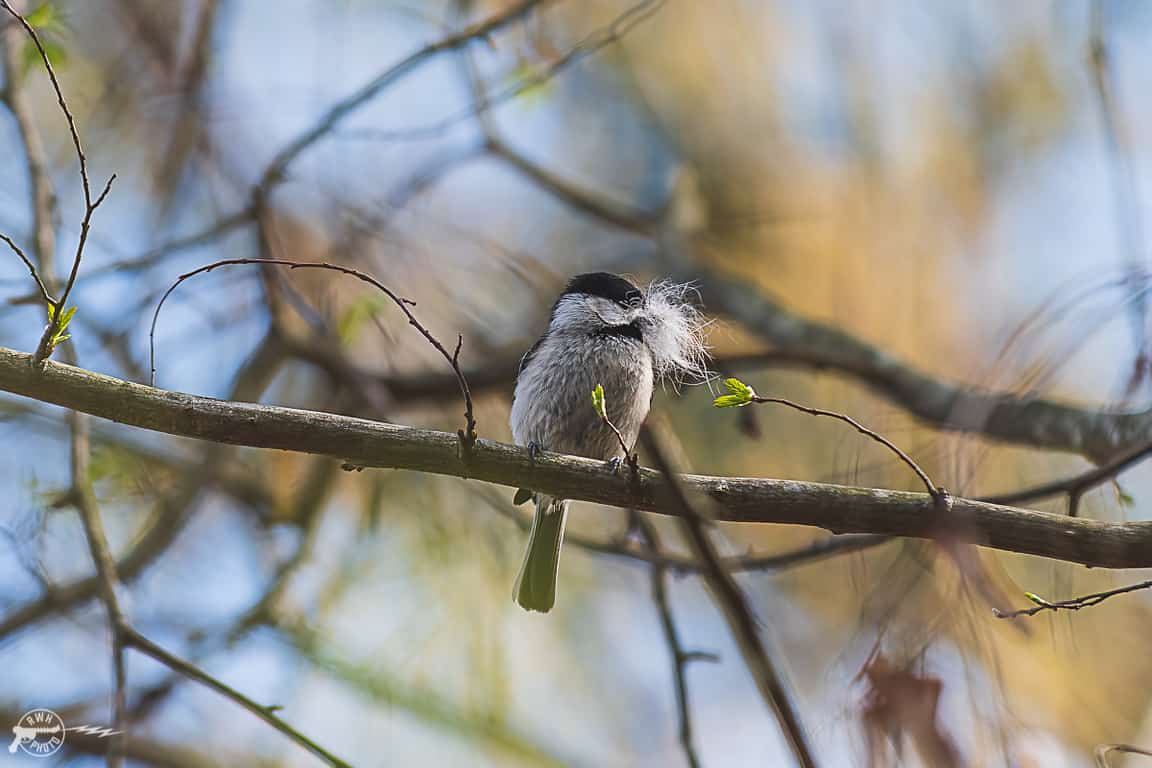
Where Spotted: Reedy Creek and Bryan Park
Common Name: Black-capped Chickadee
Scientific Name: Poecile atricapillus
Length: 4.7-5.9 in (12-15 cm)
Weight: 0.3-0.5 oz (9-14 g)
Wingspan: 6.3-8.3 in (16-21 cm)
Quick Facts
- The Black-capped Chickadee hides seeds and other food items to eat later. Each item is placed in a different spot and the chickadee can remember thousands of hiding places.
- Every autumn Black-capped Chickadees allow brain neurons containing old information to die, replacing them with new neurons so they can adapt to changes in their social flocks and environment even with their tiny brains.
- Chickadee calls are complex and language-like, communicating information on identity and recognition of other flocks as well as predator alarms and contact calls. The more dee notes in a chickadee-dee-dee call, the higher the threat level.
- Winter flocks with chickadees serving as the nucleus contain mated chickadee pairs and nonbreeders, but generally not the offspring of the adult pairs within that flock. Other species that associate with chickadee flocks include nuthatches, woodpeckers, kinglets, creepers, warblers and vireos.
- Most birds that associate with chickadee flocks respond to chickadee alarm calls, even when their own species doesn’t have a similar alarm call.
- There is a dominance hierarchy within flocks. Some birds are “winter floaters” that don’t belong to a single flock—these individuals may have a different rank within each flock they spend time in.
- Even when temperatures are far below zero, chickadees virtually always sleep in their own individual cavities. In rotten wood, they can excavate nesting and roosting holes entirely on their own.
- Because small songbirds migrating through an unfamiliar area often associate with chickadee flocks, watching and listening for chickadee flocks during spring and fall can often alert birders to the presence of interesting migrants.
- The oldest known wild Black-capped Chickadee was a male and at least 11 years, 6 months old when it was recaptured and rereleased during banding operations in Minnesota in 2011. It had been banded in the same state in 2002.
If you’re a fan of original content like those photos above be sure to give our Instagram and Dickie’s Backyard Bird Blind Bonanza on FB a follow and consider making a donation.
[wpedon id=”165378″]
Bonjour at Richmond SPCA

Bonjour! My name is…well…Bonjour and I’m a cute, curious little mademoiselle looking for my place in this world and I hope that it’s with you! I love to play with toys and then have a cuddle session afterwards. I am quite silly and sure to keep you smiling with my antics. If you’d like to take me home, call the Richmond SPCA adoption center to schedule a time to meet me!
Age: 8 years, 1 month
Gender: Spayed Female
Color: White / Orange
Declawed: No
ID: 45496770
Adopt Bonjour at Richmond SPCA
Learn more about their adoption process.
To reduce visitor traffic, during the COVID-19 outbreak they are scheduling adoption appointments beginning Tuesday, March 17, 2020. Please leave your phone number in a voicemail or email and an adoption counselor will call to set an appointment for you to meet with a pet. Email the adoption center or call 804-521-1307.




Savory Grain Closing this Sunday

Virginia Opera brings Pagliacci to the Carpenter Theatre on Nov. 13 and 15

Photo of the Day: Where Eagles Dare

The War on Cars Strikes on Election Day

Squirrel-O-Ween Flies into CarMax Park on Friday

Richmond musicians pay tribute to Dolly Parton at Get Tight Lounge on Oct. 10

University of Richmond lands record $150 million gift as it launches $600 million campaign

Hardywood and Starr Hill are officially one company, and neither brand is going anywhere

Richmond region visitor spending hits a record $4.1 billion in 2025

The Byrd Theatre screens the 1925 ‘Phantom of the Opera’ with a live Wurlitzer score on Oct. 25