Critters of the Week
Critters of the Week
A wild critter we spotted in the RVA area and a critter up for adoption by SPCA or RACC.

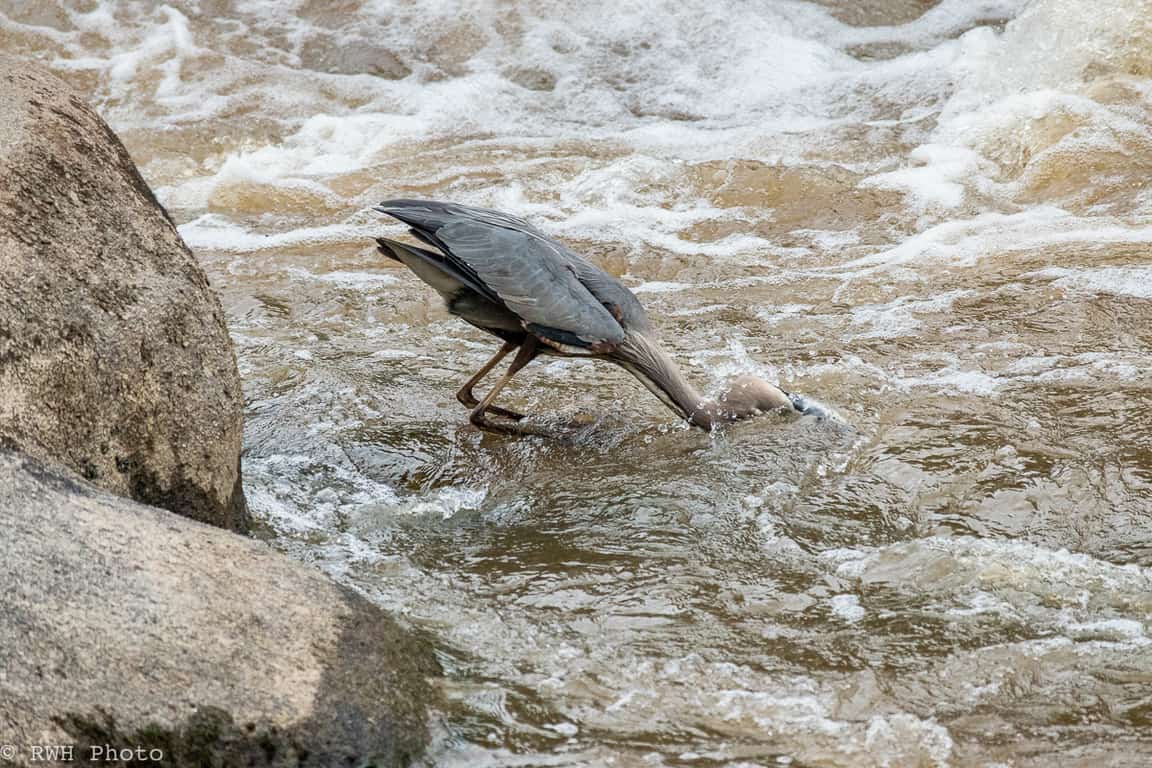

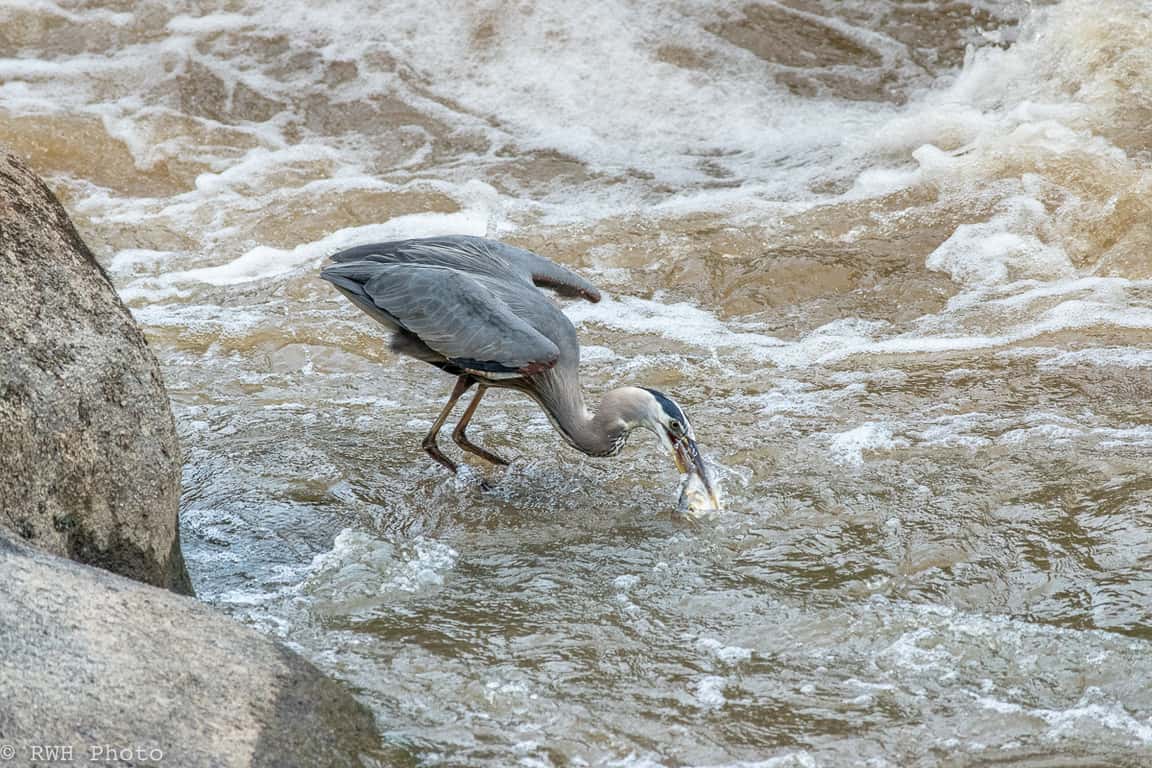
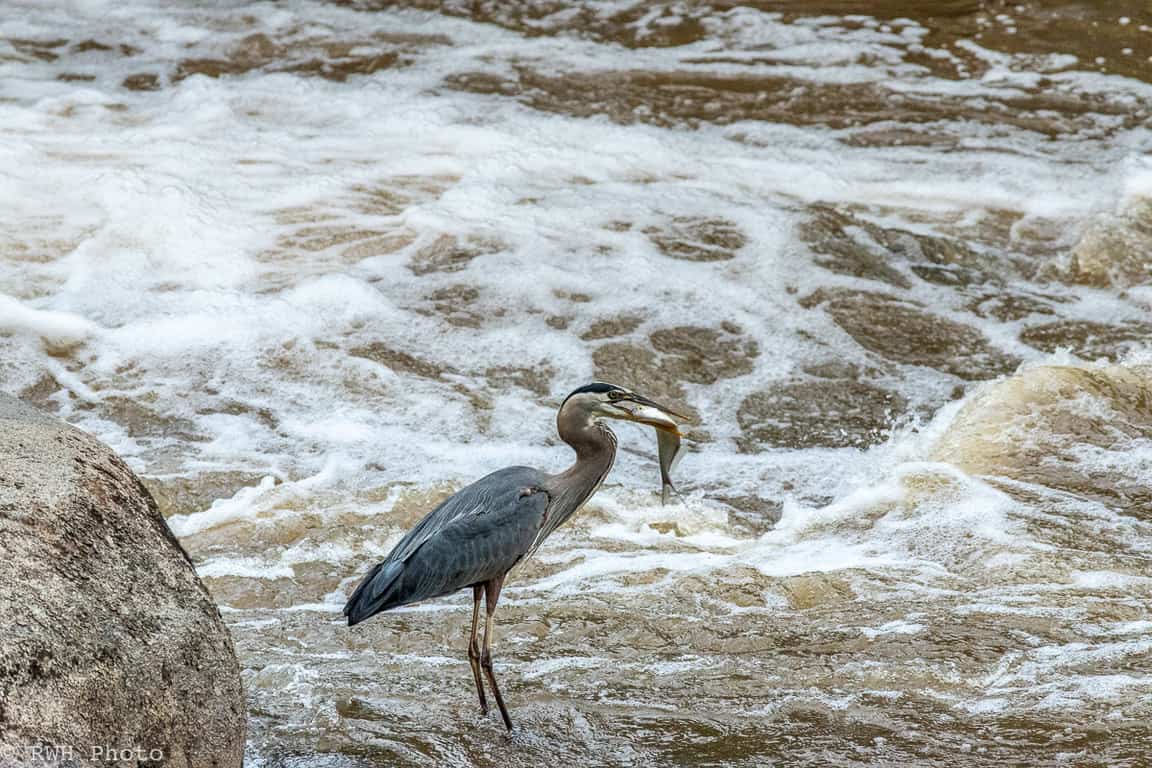
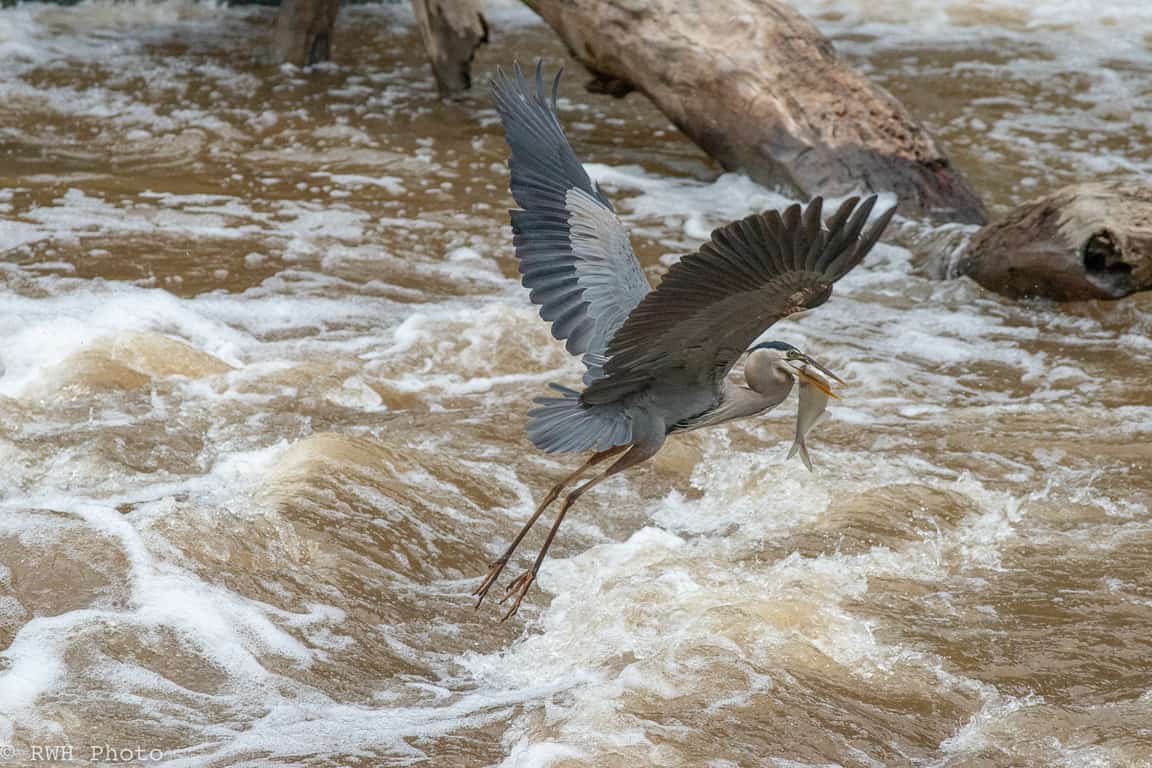
Where Spotted: Between Reedy Creek and 21st Street Entrance
Common Name: Great Blue Heron
Scientific Name: Ardea herodias
Length: 38.2-53.9 in (97-137 cm)
Weight: 74.1-88.2 oz (2100-2500 g)
Wingspan: 65.8-79.1 in (167-201 cm)
Quick Facts (courtesy of The Cornell Lab of Ornithology)
- Thanks to specially shaped neck vertebrae, Great Blue Herons can quickly strike prey at a distance.
- Great Blue Herons eat nearly anything within striking distance, including fish, amphibians, reptiles, small mammals, insects, and other birds.
- They grab smaller prey in their strong mandibles or use their dagger-like bills to impale larger fish, often shaking them to break or relax the sharp spines before gulping them down.
- The female when making a nest weaves a platform and a saucer-shaped nest cup, lining it with pine needles, moss, reeds, dry grass, leaves, or small twigs. Nest building can take from 3 days up to 2 weeks.
- Pairs are mostly monogamous during a season, but they choose new partners each year.
- Great Blue Herons can hunt day and night thanks to a high percentage of rod-type photoreceptors in their eyes that improve their night vision.
Maryland Heathcliff


Primary Color: Grey
Secondary Color: White
Age: 7yrs 0mths 3wks
Sex: Male
Pet ID: 79672
Information on Adopting a cat.
Please note that the adoptable critter we’ve selected was available when we created the post the animal might not be available when you go to the facility.

