History
Must-See RVA! — Fourth Baptist Church
A look into the history of Richmond places that are still part of our landscape.

2800 P Street
Built, 1884
VDHR 127-0318
A Greek Revival church with a cousin on Broad Street.

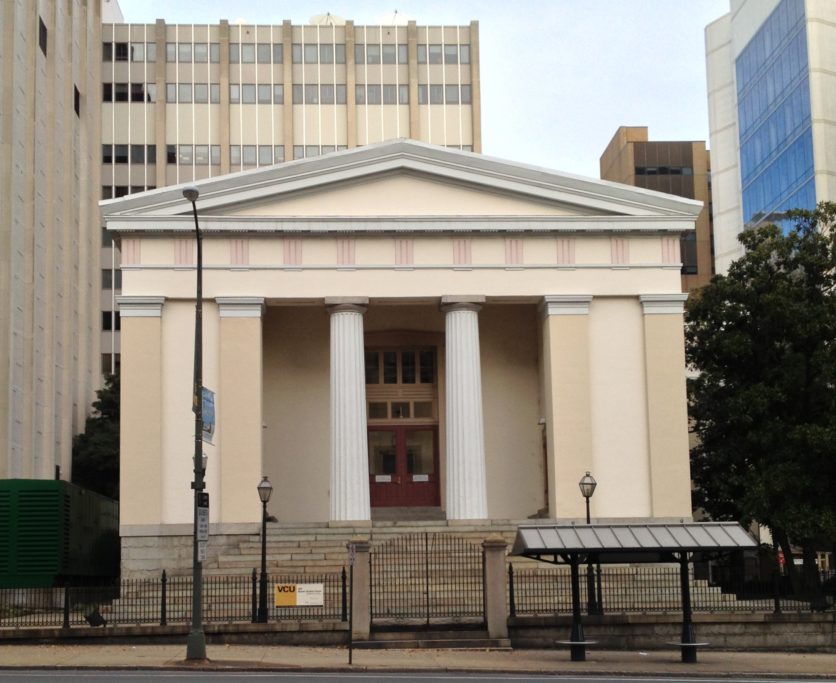
November 2012
The Fourth Baptist Church is significant both as an expression of Richmond’s conservative architectural taste during the late 19th century and as a symbol of the social, religious, and economic conditions of blacks following emancipation. Erected in 1884 on the northern edge of the Church Hill neighborhood, the church boasts a stylish Victorian interior behind a plain but dignified Greek Revival facade. The choice of the Grecian mode may have been influenced by the neighboring Leigh Street Baptist Church designed by Samuel Sloan, for it was in the basement of that older Greek Revival building that the Fourth Baptist Church was organized. The facade, with its distyle portico in antis, also closely resembles the Old First Baptist Church by Thomas U. Walter. Old First Baptist was Richmond’s parent Baptist church whose design influenced a number of later buildings in the city.

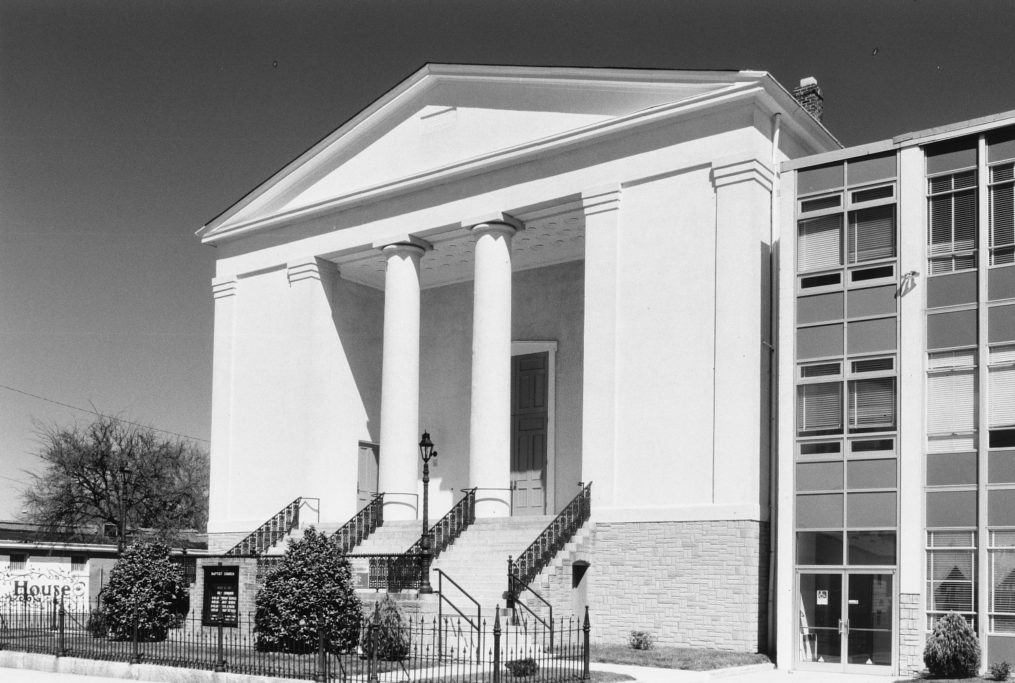
(VDHR) – 1979 nomination photo
Between 1820 and 1860, Richmond was one of the country’s leading tobacco centers. From its inception, the city’s tobacco industry was totally dependent on black labor for its work force. As production demands increased, manufacturers were required to hire slaves and freed blacks to fill their labor needs. The hiring system flourished, and contributed to the city’s large antebellum black population. The slaves and freed blacks worked in the factories six days a week and on the seventh day enjoyed freedom of worship. Most Richmond blacks were Baptists and vastly outnumbered the whites within their churches.
Richmond’s Baptist churches at first were organized to allow for the active participation of their black constituents. Black deacons, elected by the entire congregation, assisted white pastors and deacons as a liaison within the black congregation. Albeit committed to slavery and calling upon its slave members to be obedient servants, the church viewed slaves as, “persons whose souls God prized, and who, therefore, ought to be sober. properly married, taught Christian truths, and treated humanely by their temporal masters.”

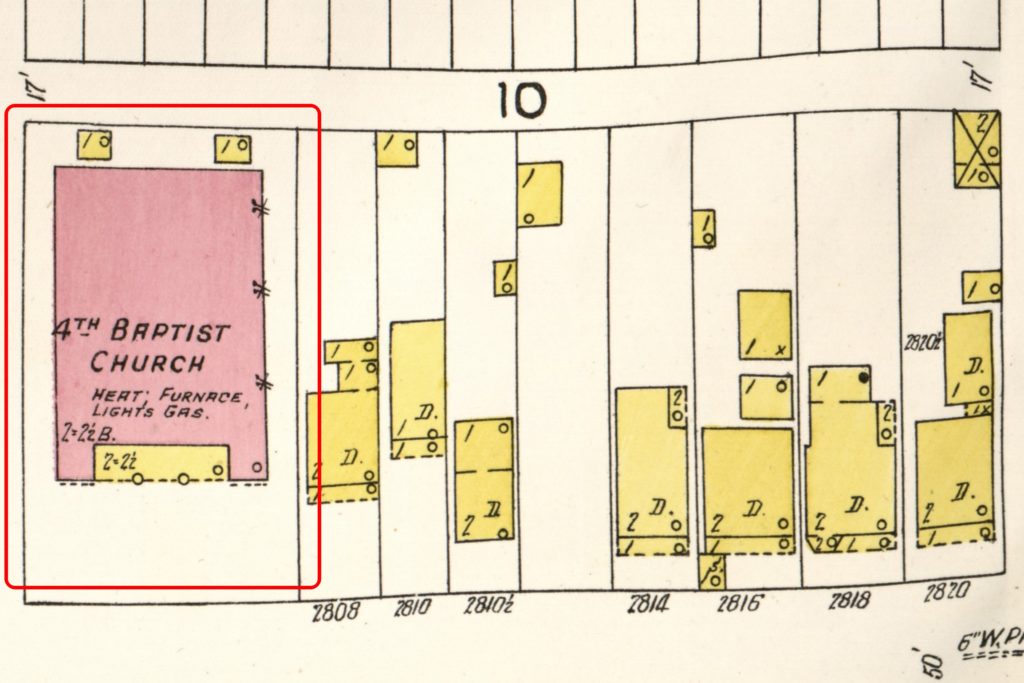
(LOC) – Sanborn Fire Insurance Map from Richmond (1905)
The first formal organization of a black church occurred in 1841 when the First Baptist Church decided to build a new church for themselves and sell the old one to the blacks within their congregation. The First African Baptist Church was thus created in 1841 as a separate Baptist congregation. The new First African Baptist Church constitutor stipulated that the pastor must be white, nominated by a white superintending committee and approved by the black deacons. The white committee was to oversee the black church’s affairs, Robert Ryland, president of Richmond College, was the first pastor. The First African Baptist Church was extremely successful, and served as the model for three successive black churches: Second African Baptist Church, 1845; Ebenezer in 1858; and the Fourth Baptist in 1861.
The black churches followed the precedents established by the First African Church. The pastor and deacons formed the governing body, guided the congregation and enforced a strict moral code. The congregation supported charitable work from monthly contributions.
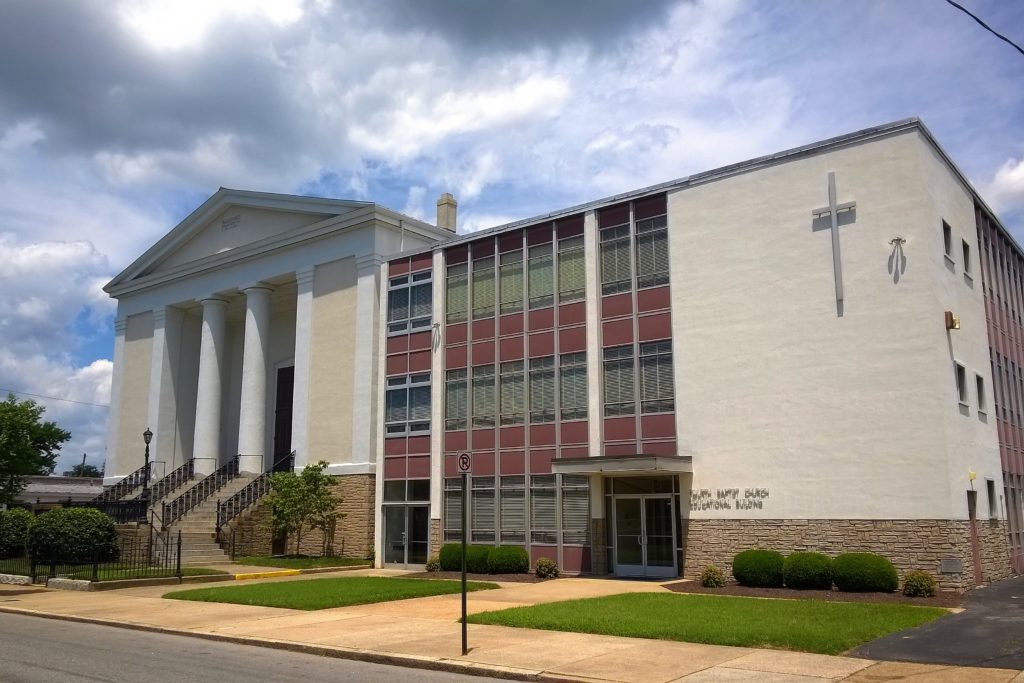
July 2016
From weekly penny collections came the money for church maintenance and expenses. Public concerts by the choir contributed to the church revenue. Richmond’s blacks entered the Reconstruction, a “process of creating something new in a slaveless world… [with preconceived] notions about freedom, moral sensibilities, work habits, familial and communal ties, and modes of collective activity.” While these notions were strongly influenced by their earlier experience as church members, it was only in post-bellum times that Blacks gained full control of their churches with the unfettered right to name their own pastors, form Sunday schools, etc.
The Fourth Baptist Church traces its beginnings to the regular assembly of slaves in their quarters for prayer meetings. In 1861 the services were transferred to the basement of the Leigh Street Baptist Church. In June 1865 blacks gained full control of their church institutions. The Reverend Scott Gwathmey, one of the prayer leaders, saw the need for more formal organization, something which was achieved when the Fourth Baptist Church was founded on December 2, 1865 while meeting in the barracks of the Union soldiers on Chimborazo Hill.
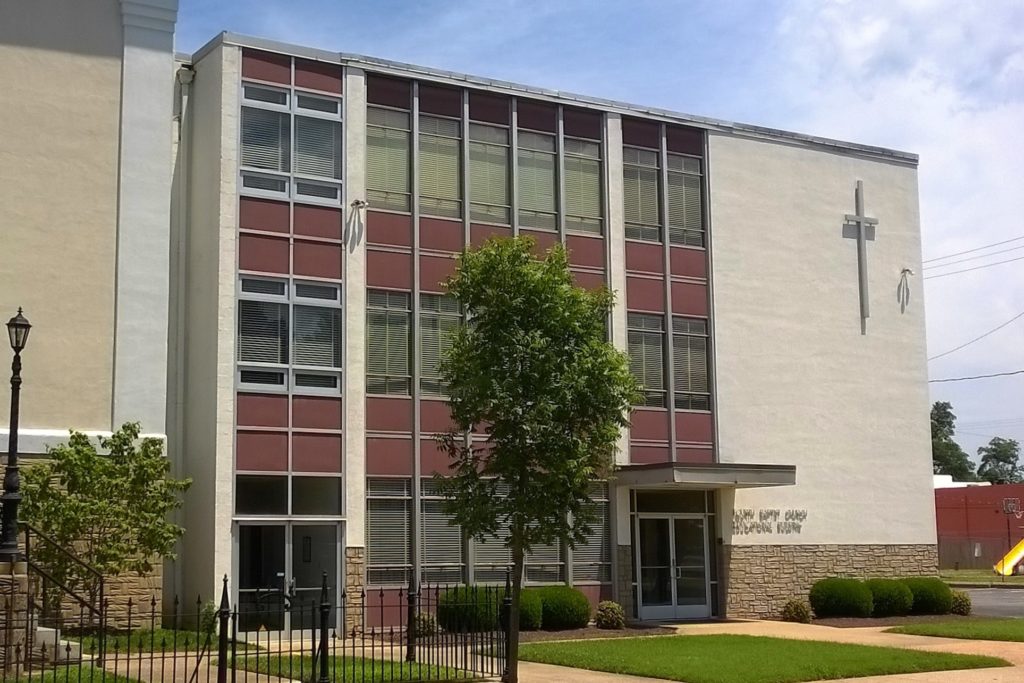
July 2016
The 1875 the congregation was able to erect a frame building on a site purchased on 32nd Street. The present church building was completed in 1884 on a site purchased on P Street. (VDHR)
(Fourth Baptist Church is part of the Atlas RVA Project)


Must-See RVA! is a regular series
appearing on rocket werks – check it out!

