Hills & Heights
Must-See RVA! — Manchester Canal, Part 2
A look into the history of Richmond places that are still part of our landscape.

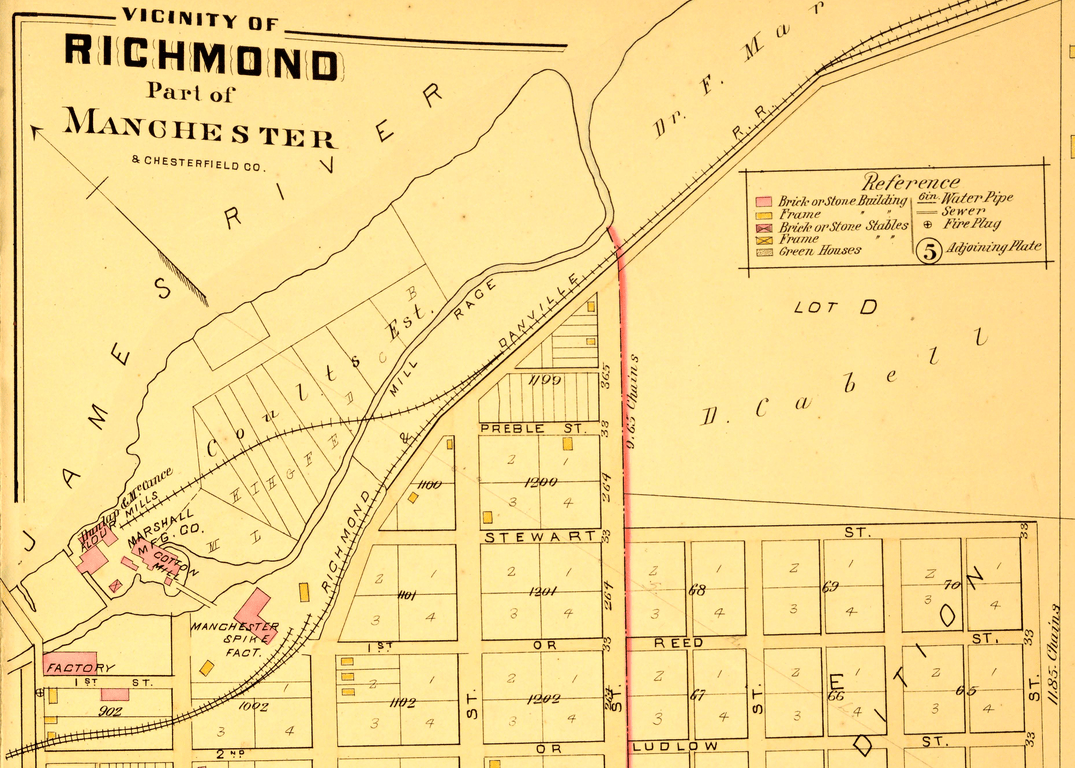
Eastern Segment
VDHR 127-0457
Just like the western segment, the east end of Manchester Canal had factories and mills surrounding it.
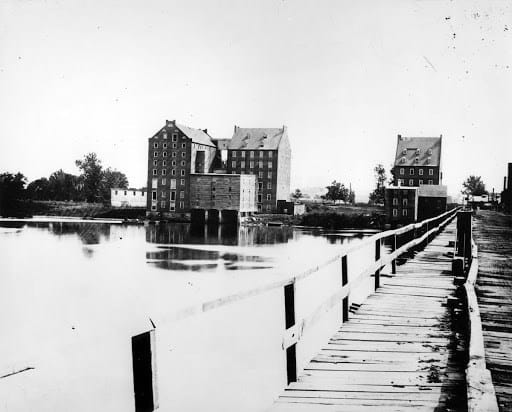
(Dogtown Dish) — showing Dunlop Mills
As early as the 1730 developers who recognized the commercial potential in the vicinity of the falls built textile, tobacco and flour mills and warehouses along the James River.
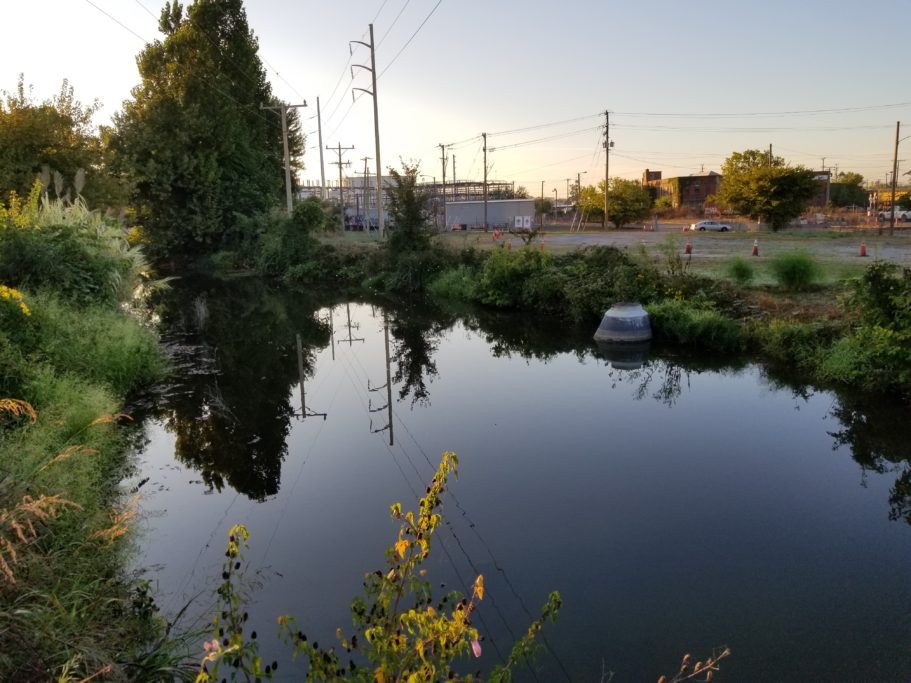
September 2017— eastern segment
Initially constructed in 1732, the Manchester Canal and Millrace diverted water from the James River to a system of races and locks that were used to generate power for the earliest mills located along the river bank. Segments of the canal, millraces and locks are visible today from the south end of the Mayo Bridge to the west along the river.
September 2017
The Manchester Commons, mill ruins’, and segments of the canal and millraces survive as tangible reminders of the progressive industrial development that has characterized the falls for more than three centuries.
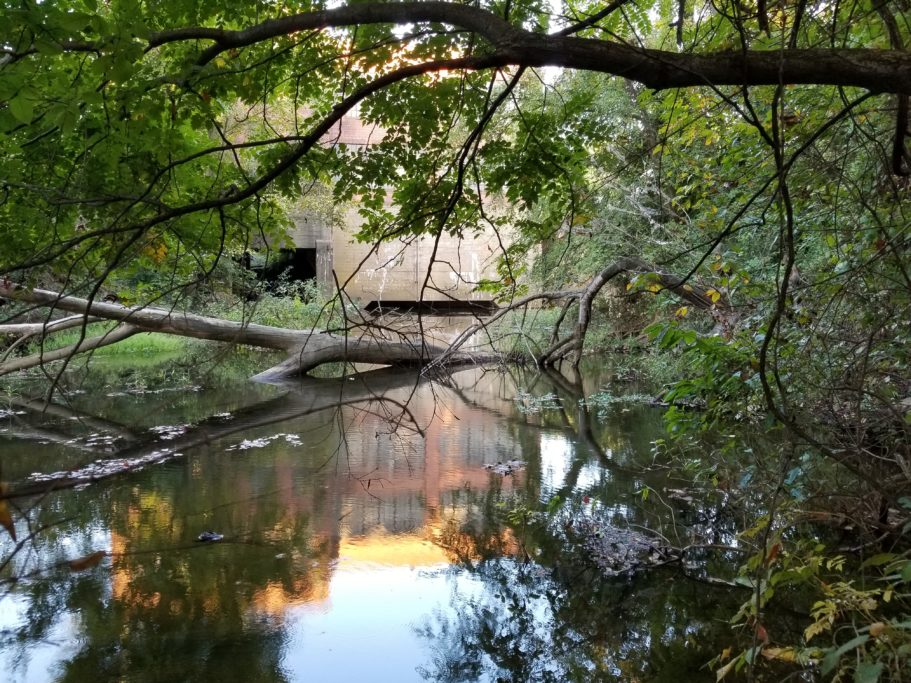
September 2017
The steady industrial development of Manchester is not surprising given its numerous commercial advantages: easy access to a deep-river port, an abundant supply of raw materials, the early establishment of railroad depots, a continuous influx of immigrants who provided cheap labor, and a growing statewide population that constituted a market for manufactured goods.
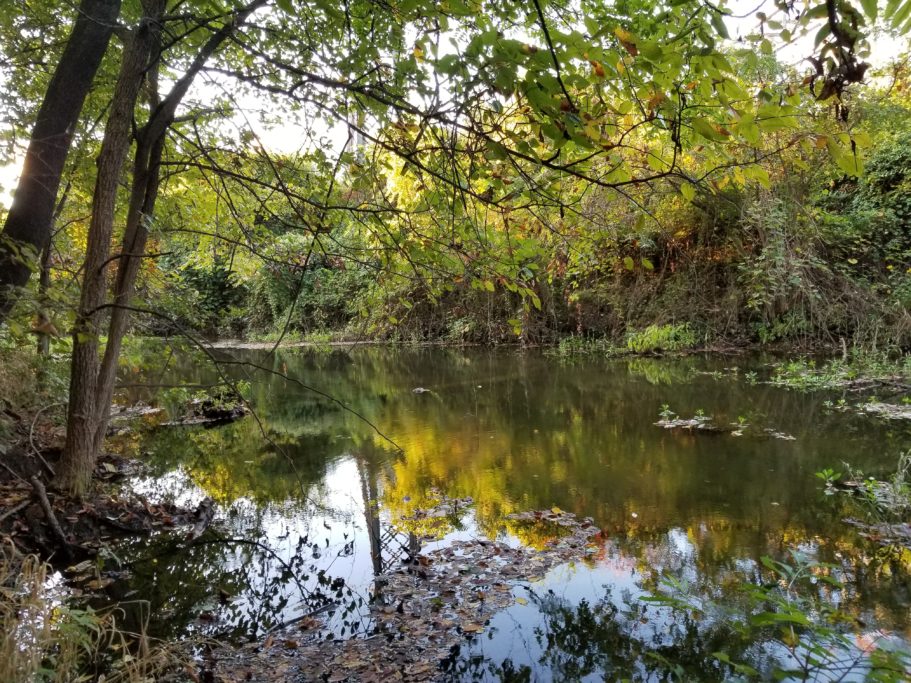
September 2017
In 1856, Manchester had two cotton mills, two large flour mills, a foundry, several tobacco factories, and the legal rights to one-half of the waterpower of the James River. The most prominent of the Manchester Mills was the Manchester Cotton and Wool Manufacturing Company, constructed between 1837 and 1840 along the canal at the south end of the Mayo Bridge.
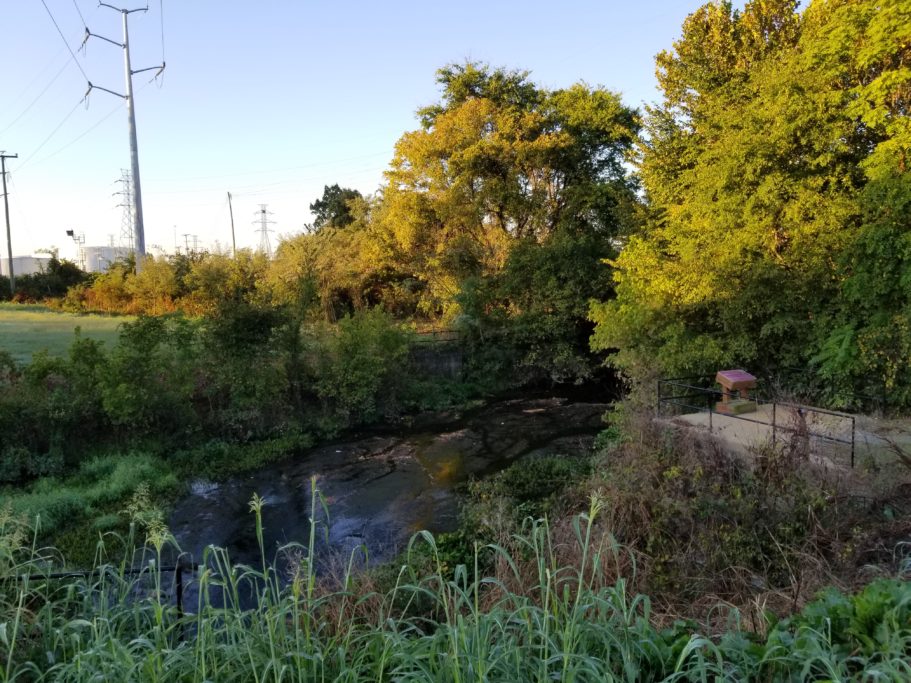
September 2017
The Manchester Cotton and Wool Manufacturing Company was among the first of the textile mills to operate in Manchester and was the first to use the water power developed by the Manchester Canal which later supplied power for other industries located at the falls.
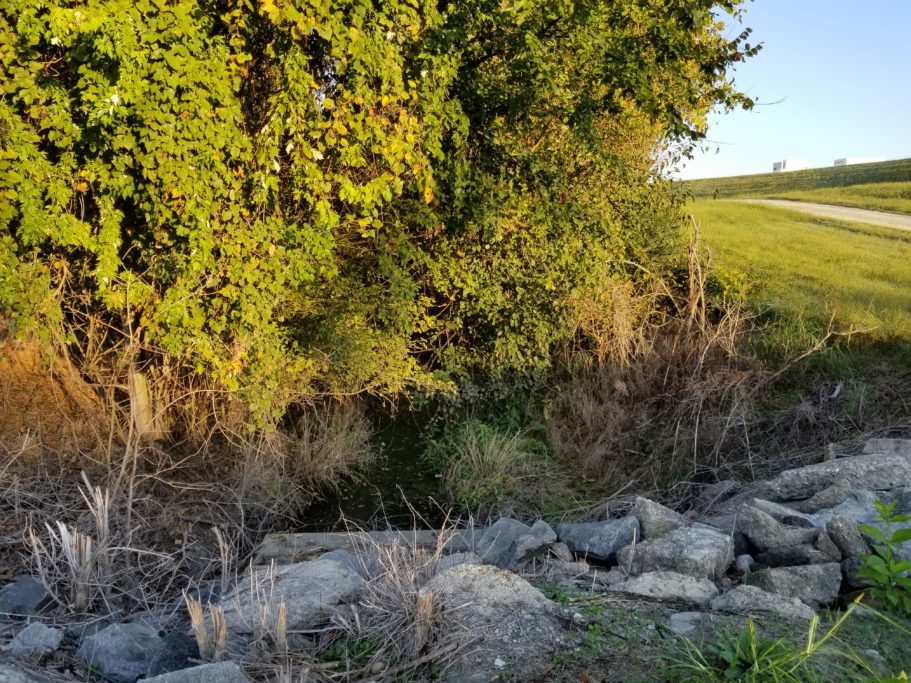
September 2017— where the eastern segment ends today
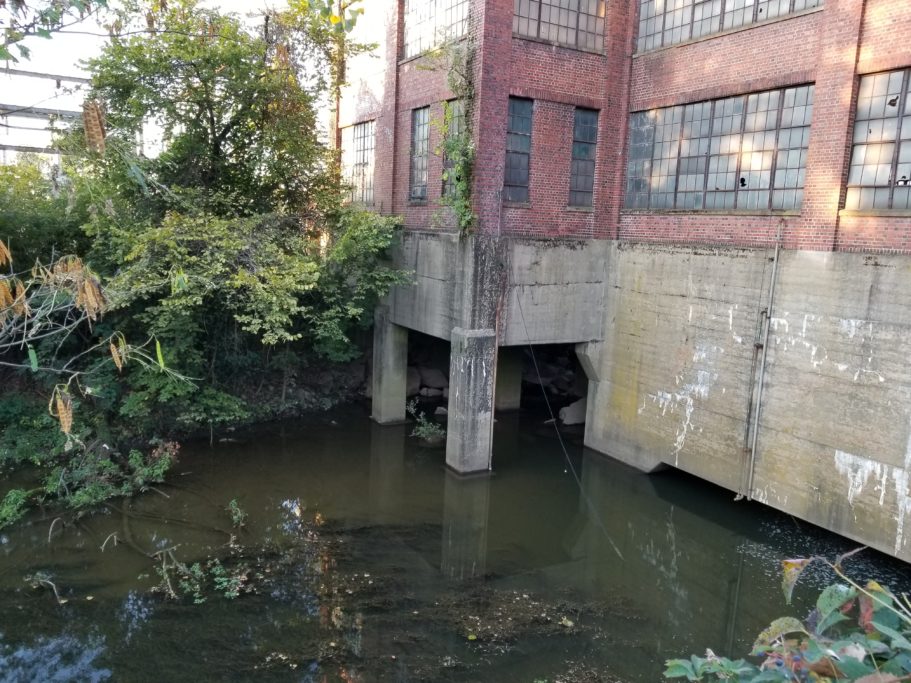
Although the oldest portion of the Manchester Cotton and Wool Manufacturing Company was demolished when the James River Flood Wall was constructed in 1990, portions of the west addition (1901) at 7 Hull Street, its stone foundation, sections of the water delivery system and the wheel housing are visible from the overlook at the entrance of the Flood Wall River Walk. (VDHR)
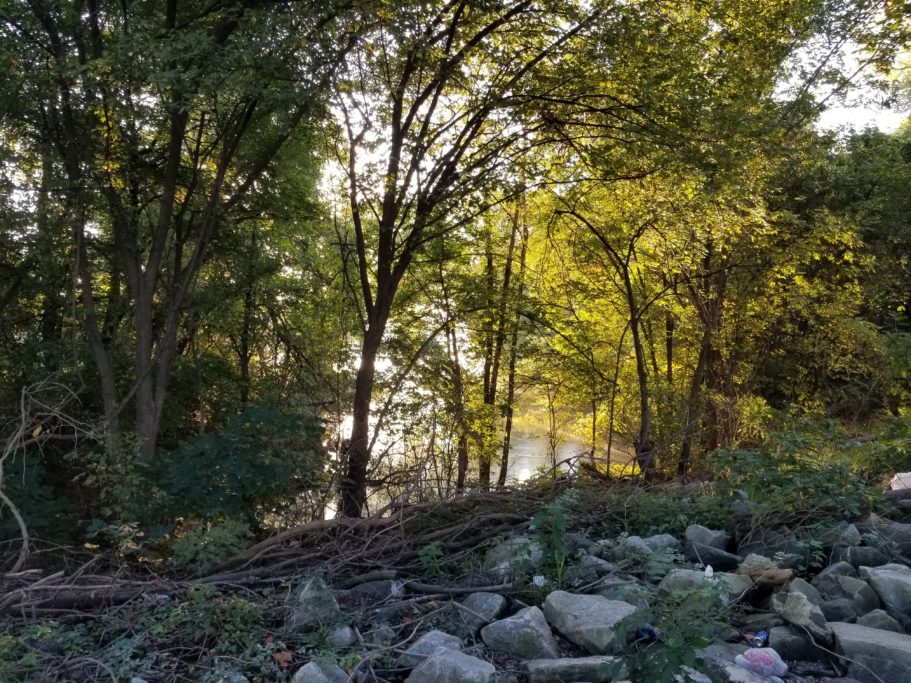
September 2017— showing original egress onto the James
The eastern connection to the James was severed in the 1990s during the construction of the Floodwall. Somewhere near the point where it ends now, it took a sharp turn northward to rejoin the river. What remains of the channel is tucked away behind the Floodwall berm.

Must-See RVA! is a regular series
appearing on rocket werks – check it out!



Fatal Accident on Forest Hill Avenue

Photo of the Day: Racing

Richmond Coliseum demolition expected to wrap up by December 2027

Richmond leads small U.S. cities in apartments under construction, Yardi report finds

Richmond Symphony plays Let It Snow! on Nov. 28 and Handel’s Messiah on Nov. 29

Ruby Scoops Looking for Help and a New Home

Dada the Data! A Funeral March for Intelligence! The 21st Annual Oregon Hill Halloween Parade!

Photos: All Saints Theater Company Oregon Hill Halloween Parade

Rescheduled Halloween Howl Runs Into Forest Hill Park on Halloween

Virginia Opera brings Pagliacci to the Carpenter Theatre on Nov. 13 and 15