Downtown
Winter storm prompts home preparation warnings across Metro Richmond
Forecasters are calling for snow, ice, and prolonged cold this weekend, raising concerns about power outages, frozen pipes, and heating system failures.

Residents across metro Richmond are being urged to prepare their homes ahead of a winter storm expected to bring snow, ice, and dangerously cold temperatures from Saturday through Monday. While forecasts are still evolving, meteorologists are warning that hazardous travel, power outages, and infrastructure damage are possible if ice accumulates or temperatures drop sharply after snowfall.
Weather models suggest a wide range of outcomes, from moderate snowfall to totals approaching a foot in parts of the region, followed by several days of below-freezing temperatures. That combination increases the risk of frozen pipes and strained heating systems, particularly in older homes or properties that lose power.
Local HVAC and plumbing company James River Air Conditioning Co. shared a set of general preparedness tips this week that align with guidance commonly recommended by utilities and emergency management officials.
For heating systems, residents are encouraged to replace dirty air filters, keep thermostats set to a consistent temperature, and ensure vents are not blocked by furniture or rugs. Outdoor HVAC units should be kept clear of snow and ice buildup, and homeowners with heat pumps should be aware that defrost cycles during extreme cold are normal.
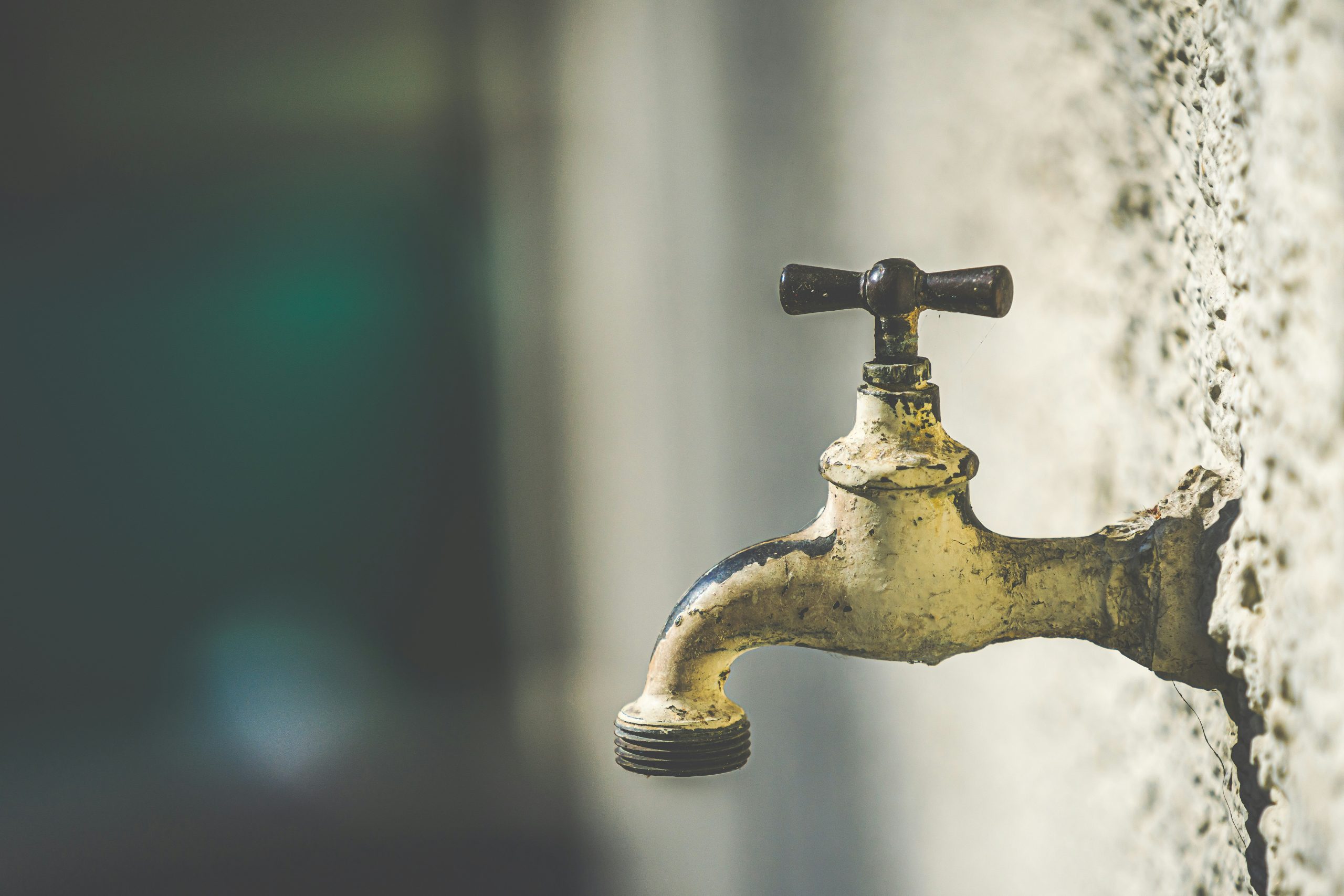
To help prevent frozen pipes, experts recommend opening cabinets beneath sinks to allow warm air to circulate, letting faucets drip overnight during the coldest periods, keeping garage doors closed, and disconnecting outdoor hoses. Knowing the location of a home’s main water shut-off valve can significantly reduce damage if a pipe bursts.
Power outages remain a major concern during ice storms. If electricity is lost, residents should continue letting faucets drip, keep doors closed to retain heat, and avoid using ovens, grills, or generators indoors. Those practices can lead to fires or carbon monoxide poisoning. Checking on neighbors, especially older adults or those with medical needs, is also encouraged during prolonged outages.
While service providers say they are preparing for increased demand, officials stress that advance preparation can reduce the likelihood of emergency repairs when travel conditions are poor and response times may be delayed. As with most winter storms in Central Virginia, small shifts in temperature or storm track could significantly change impacts, making early readiness a safer bet than waiting for certainty.



Mayo Bridge Resurfacing and Lane Changes Start This Week

Eerie Canal Halloween Cruise Tickets Now on Sale

Reedy Creek Parking Lot Closed for 3 Days Starting Wednesday

Final Porch Night of 2026 Hits the Porches on Sunday

Steely Dan tribute and Louisiana zydeco close out October at the Cultural Arts Center at Glen Allen

WinterWorld tickets on sale now for CarMax Park’s first holiday season

Porch Night Bringing the Free Concerts this Sunday

Richmond Folk Festival Reveal This Year’s Poster and Beer

Richmond Folk Festival Announces Full Performance Schedule

Photos & Game Summary: Rain Delayed Game Ends in a Draw