Community
Richmond Animal Care and Control Closed for 2 Weeks Due to Canine Flu
Due to the Canine Flu RACC can not pick up stray dogs in the field for 14 days. If you find a stray dog, please try to find the owner or RACC can give you a crate and food to keep them until the quarantine is released.

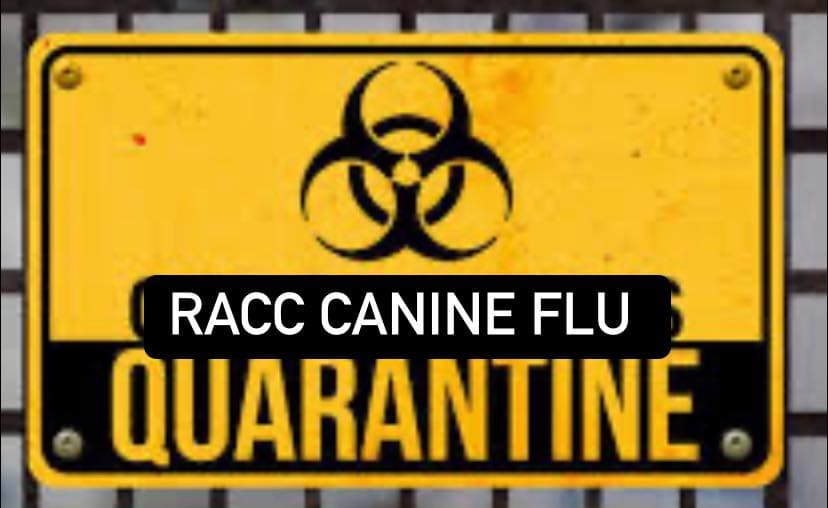
The hits just keep on coming. We thought maybe we had paid our dues this year with the increased intakes, reduced adoptions, parvo (times 30) and a call volume we can barely keep up with. NOPE! Now we have a dog that has tested positive for Canine Flu and many others who are symptomatic. Literally, we can’t take much more! RACC IS CLOSING FOR TWO WEEKS to quarantine and mitigate the spread of this illness. We need to limit what comes in to RACC to animal bites/cruelty cases only. We CAN NOT pick up stray dogs in the field for 14 days. If you find a stray dog, please try to find the owner or we can give you a crate and food to keep them until the quarantine is released. Every animal that is already here will stay for 2 weeks observation and treatment if needed. Just because we are especially lucky—this strain can be passed to cats, so we are being extra careful! 🤬 No visitors, volunteers or fosters can enter the building in an effort to keep all the dogs and cats healthy. More to come but good gracious almighty we just need a big hug and lots of canine flu vaccines please!
More on Canine Flu from the American Veterinary Medical Association
Currently, two strains of CIV have been identified in the U.S. The H3N8 strain of canine influenza was first identified in 2004 in Florida. Since then, it has been found in several other states. In 2015, the H3N2 virus strain was identified as the cause of an outbreak of canine influenza in Chicago. The virus was known to exist in Asia, but the 2015 outbreak was the first report of the H3N2 virus affecting dogs outside of Asia.
Canine influenza can occur year round. So far, there is no evidence that canine influenza infects people.
Symptoms
The symptoms of a CIV infection resemble those of canine infectious tracheobronchitis (“kennel cough”). Dogs infected with CIV develop a persistent cough and may develop a thick nasal discharge and fever (often 104-105oF). Other signs can include lethargy, eye discharge and reduced appetite. Canine influenza infections can cause mild to severe illness in dogs. Some infected dogs may not show any signs of illness, but can still be contagious and able to infect other dogs
Most dogs recover within 2-3 weeks. However, some dogs may develop secondary bacterial infections which may lead to more severe illness and pneumonia. Anyone with concerns about their pet’s health, or whose pet is showing signs of canine influenza, should contact their veterinarian.
Laboratory tests are available to diagnose both H3N8 and H3N2 CIV. Consult your veterinarian for more information regarding testing for CIV.




Richmond Symphony brings Nashville Hit Makers to the Carpenter Theatre tonight with Carrie Brockwell

Flying Squirrels bring free Squirrel-O-Ween trick-or-treating to CarMax Park on Oct. 30

Hardywood and Starr Hill are officially one company, and neither brand is going anywhere

University of Richmond lands record $150 million gift as it launches $600 million campaign

Richmond region visitor spending hits a record $4.1 billion in 2025

Sauer Brands sells its spice business and Richmond plant to Watkins

WinterWorld tickets on sale now for CarMax Park’s first holiday season

The Sky Chiefs Bringing the Country to Forest Hill Park this Sunday

Porch Night Bringing the Free Concerts this Sunday

Celebrate Dolly Parton with the Dolly Parton Parade on Sunday