Community
Library of Virginia’s Genealogy Workshop Series Helps Researchers Find Their Stories in Virginia’s Past
Learn more about the valuable resources the Library of Virginia and how to better access those resources.

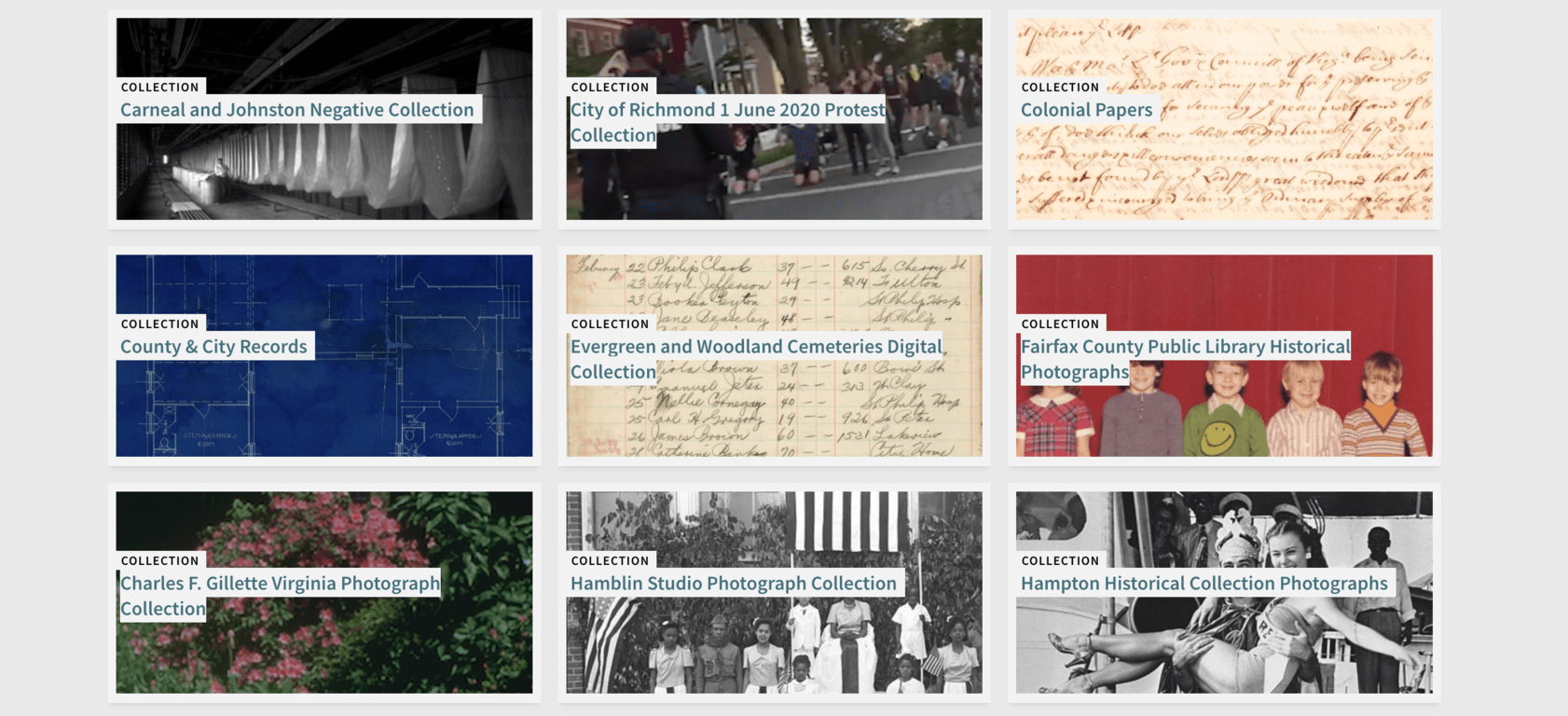
The Library of Virginia, the most comprehensive resource for records documenting the lives of Virginians, is hosting a series of genealogy workshops for those who are new to family history research or who want to delve deeper into records.
This year’s Genealogy Workshop Series begins with a free virtual workshop on navigating the Library’s digital collections and online catalog. The series also includes in-person workshops on researching African American family history, military history and architectural records. See the workshop schedule below or visit www.lva.virginia.gov/public/genealogy_workshops.
Registration is required. In-person workshops are held in the conference rooms of the Library of Virginia, 800 East Broad Street, Richmond, Virginia 23219. The cost is $25 ($20 for Library of Virginia Foundation members). For more information, contact Ashley Ramey Craig at [email protected] or 804.692.3001.
The Library of Virginia’s genealogy workshops are made possible in part with federal funding provided through the Library Services and Technology Act administered by the Institute of Museum and Library Services.
2023 GENEALOGY WORKSHOP SERIES AT THE LIBRARY OF VIRGINIA
VIRTUAL GENEALOGY WORKSHOP
Tips & Tricks for Navigating the Library of Virginia’s Website
Friday, March 10, 2023 | 10:00–11:00 a.m. | Online
Free | Registration required: https://lva-virginia.libcal.com/event/10176906
The Library’s website is a powerful tool for anyone researching their Virginia roots. In this presentation, reference librarian Becky Schneider walks through strategies for effectively searching and browsing the Library’s digital collections and online catalog, as well as options to help those who hit a brick wall.
GENEALOGY WORKSHOP
Military Genealogy: Virginians in the First & Second World Wars
Friday, June 9, 2023 | 9:30–11:30 a.m. | Library of Virginia, 800 East Broad Street, Richmond
$25 ($20 for Library of Virginia Foundation members) | Registration required: https://bit.ly/LVA-military-genealogy
Reference archivists Bill Bynum and Kenneth Forest present methods and resources for finding ancestors who fought in World War I & II. This workshop explores Library of Virginia records in original, microfilm and digital formats related to the World Wars — as well as selected National Archives records — and offers advice on how to use them in genealogical research.
GENEALOGY WORKSHOP
Every House Tells a Story: How to Research the History of Your Home & Neighborhood
Friday, Aug. 4, 2023 | 9:30 a.m.–12:30 p.m. | Library of Virginia, 800 East Broad Street, Richmond
$25 ($20 for Library of Virginia Foundation members) | Registration required: https://bit.ly/LVA-house-story
This workshop provides research strategies for discovering the history of a particular building, including architecture, ownership, location and historical context. Focusing on records and resources available at the Library, such as governmental records, maps, newspapers, directories and other lesser-known sources, this workshop offers guidelines on conducting and recording research.
GENEALOGY WORKSHOP
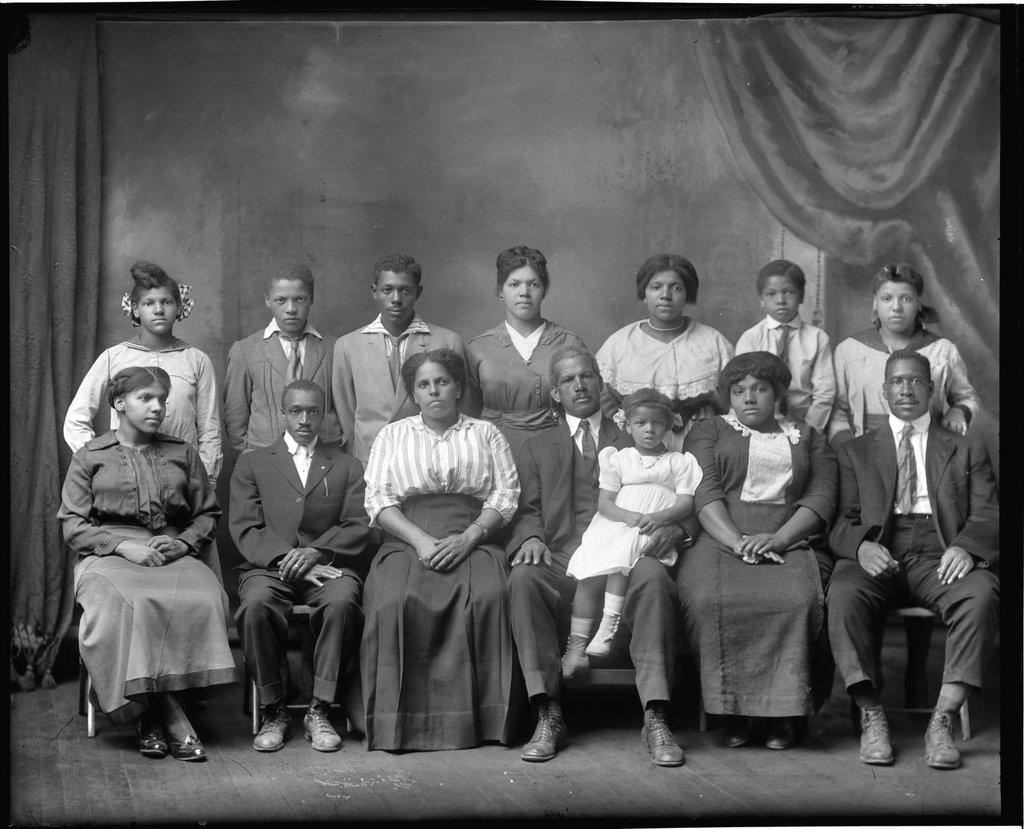
The Styles Family photographed by the Michael Miley Studio in Lexington, Virginia, date unknown. Visual Studies Collection, Library of Virginia.
Finding Your African American Female Ancestors
Friday, Oct. 6, 2023 | 9:30 a.m.–12:30 p.m. | Library of Virginia, 800 East Broad Street, Richmond
$25 ($20 for Library of Virginia Foundation members) | Registration required: https://bit.ly/LVA-AfAm-female-ancestor
Reference archivist Cara Griggs provides an overview of researching African American women in Virginia from 1619 to 1920. This workshop covers records commonly used for African American genealogical research — free registers, cohabitation registers, local court records, federal census records, petitions to remain in the commonwealth and Freedmen’s Bureau records — as well as the unique challenges of finding information about women in records that often focus on men, such as business, tax and military records.




Diamond District asks Richmond what Mickael Broth’s sculpture near CarMax Park should be

Treasury approves eight new Opportunity Zones in Richmond, including Monroe Ward and Gilpin Court

RVA Illuminates, the Christmas Parade and The Nutcracker headline downtown Richmond’s holiday calendar

RVA Abides at the 14th annual Big LeBYRDski Fest

Goochland’s Dover Hall named best wedding and event venue in North America for the third straight year

RPD Reporting Arrests Made, Several Vehicles Recovered in Honda Theft Ring

Metzger announces they’ll be closing for good in December

Richmond utility bills will be due in 25 days instead of 30 starting in December

Oystoberfest is ready for all your osyter needs

Maymont names Houston Botanic Garden’s Jill Barry its next president and CEO