History
RVA Legends — Westbrook
A look into the history of Richmond places and people that have disappeared from our landscape.

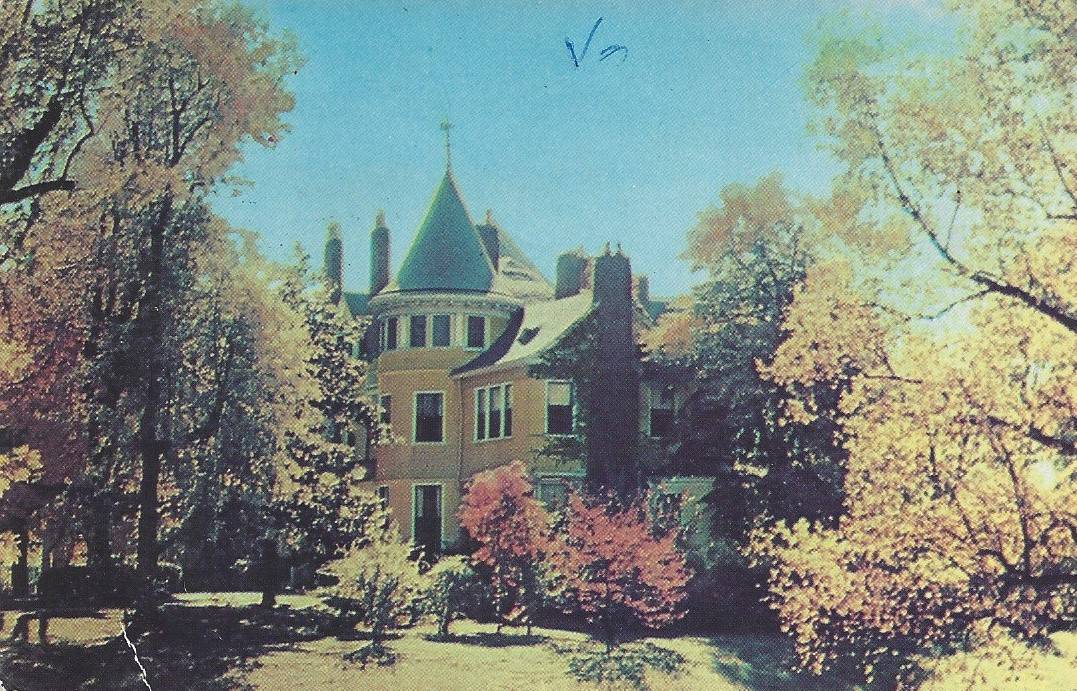
AKA Westbrook Sanatorium, William Young House
1600 Westbrook Avenue
Built, 1815 (original); mid-1880s (expansion)
Demolished, 1975
Architect, Edgerton Rogers
Now witness the Lost House of Lewis Ginter.
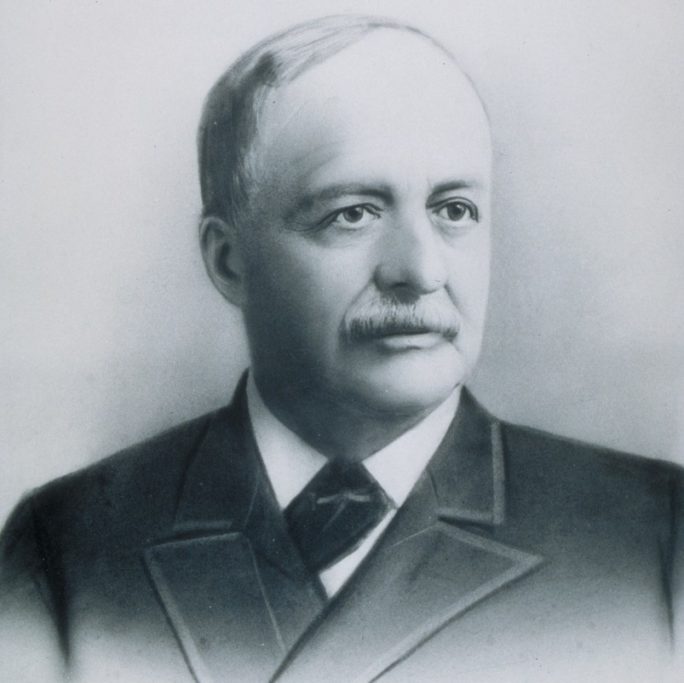
(Flickr) — Lewis Ginter
Lewis Ginter was an ex-Confederate and tobacco magnate who loved to build things. He built Ginter House on Franklin Street in 1892, the Jefferson Hotel in 1895, and North Side’s Ginter Park neighborhood, all gifts to Richmond’s architecture portfolio.
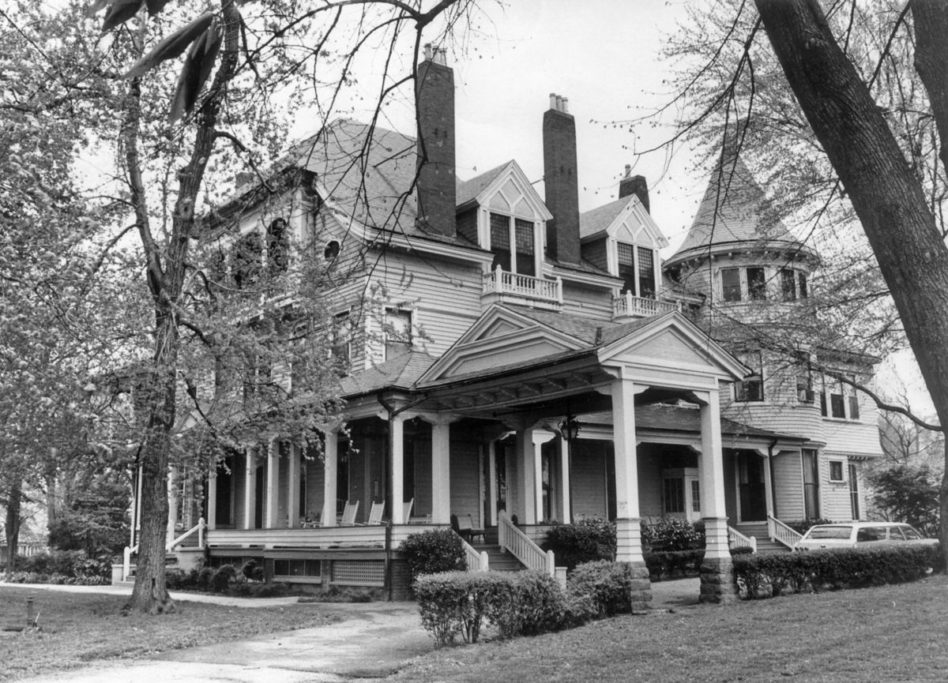
He also purchased an old plantation called Westbrook, and turned it into a Queen Anne mansion, with help from the architect who designed Maymont for James H. Dooley. (Shockoe Examiner) It was quite the spiff affair, featuring, among other things, a private barbershop, and one-lane bowling alley. [LGR]
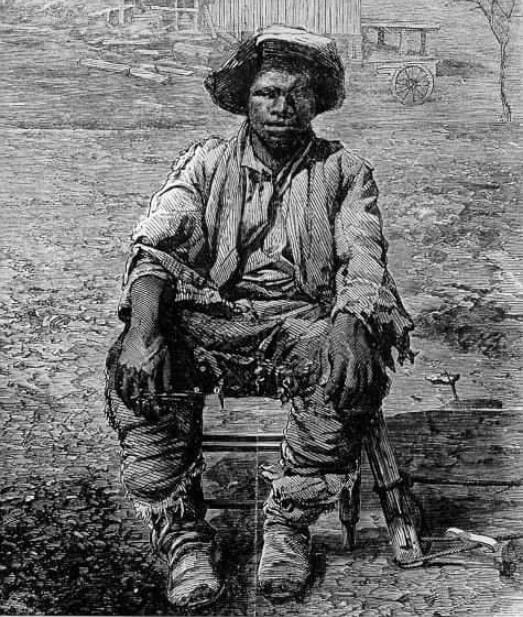
(Pinterest) — Gabriel Prosser
Less well known is that the plantation was once a meeting place for slaves, where Gabriel Prosser plotted his ill-fated rebellion in 1800.
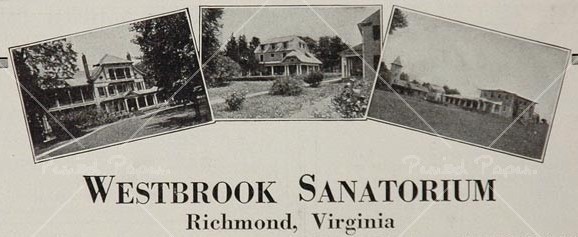


Ginter died in 1897, and by 1911 Westbrook had been converted to a sanatorium, complete with its own truck farm, dairy, and poultry yard.
A private institution of 135 beds, located in the Ginter Park suburb, within ten minutes ride of the heart of the city, and on the Richmond-Washington National Automobile highway. Nearby are many reminders of the civil war, and many places of historic interest are within easy walking distance.
The scope of the work of the sanatorium is limited to the diagnosis and the treatment of nervous and mental disorders, alcoholic and drug habituation. (Pinterest)
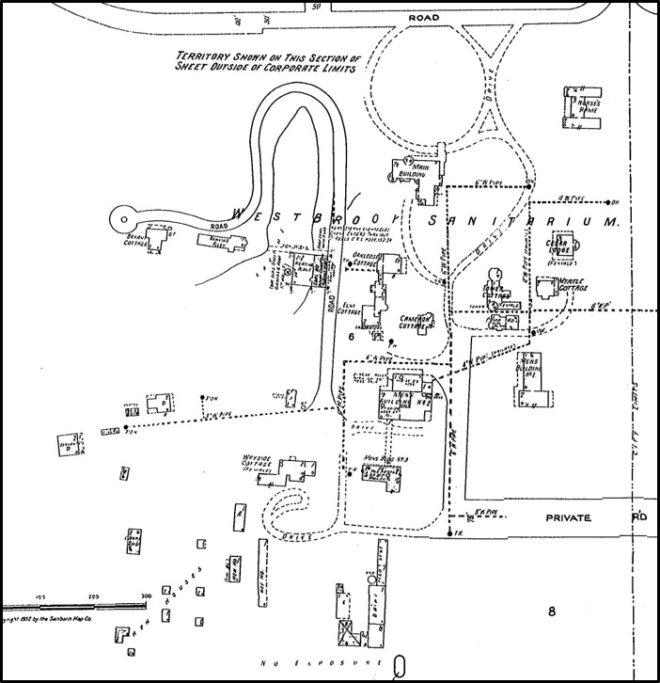
(Asylum Projects) — Sanborn Insurance Maps of Richmond (1925) — Westbrook Sanitarium
The early 20th century was a hot-bed of experimentation with the treatment of mental illness, and saw the emergence of psychiatric hospitals. It wasn’t all good, including development of things like shock therapy with insulin or cardiazol, electroconvulsive therapy, deep sleep therapy with barbiturates, lobotomization, sterilization, and other cool stuff. (Wikipedia)
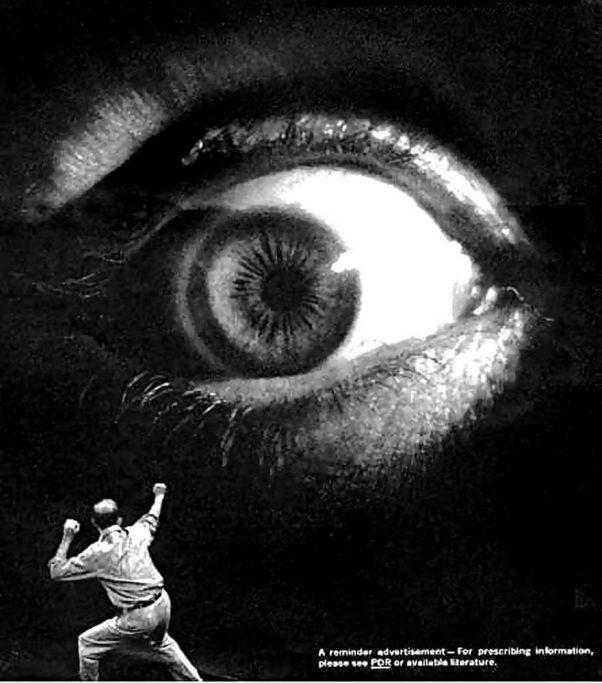
(Flickr) — Thorazine advertisement
American psychiatrist Thomas Szasz, likened institutional psychiatry to a continuation of the Inquisition.
Nevertheless, Westbrook Sanatorium promised an ideal place for rest and up-building under medical supervision, plus four physicians (who) reside at the sanatorium and devote their entire attention to the patients. (Pinterest)
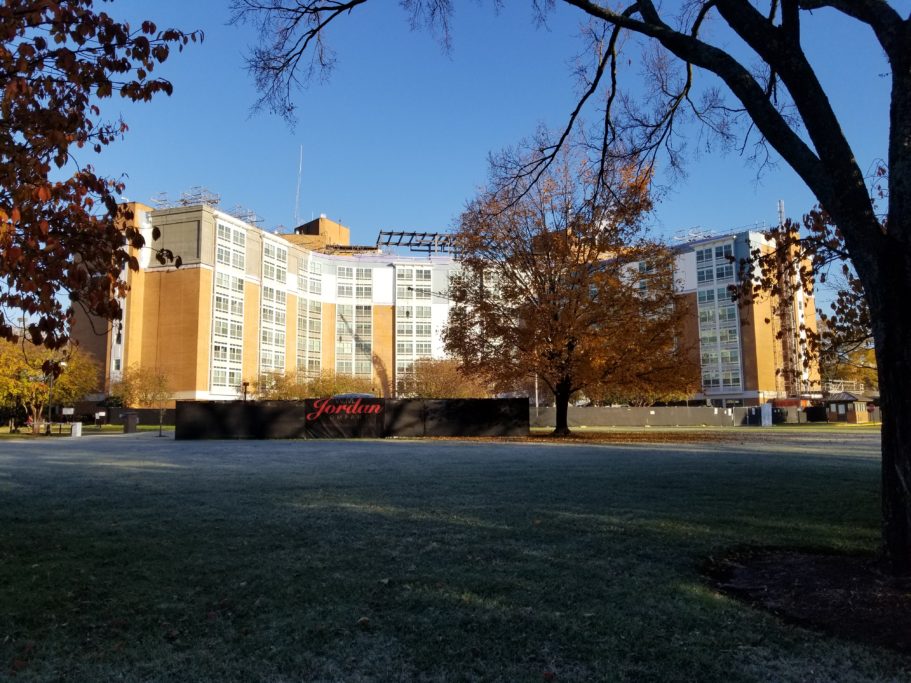
November 2017
The good times didn’t last, and the institution moved to new location as Charter Westbrook Psychiatric Hospital in 1975. Ginter’s beautiful house was deemed a sacrifice for the greater good of Westminster Canterbury, which opened in that year. The revised campus has expanded since, and continues to provide quality senior living space.
(Westbrook is part of the Atlas RVA Project)
Sources
- [LGR] Lewis Ginter’s Richmond. Ryan, David D., and Wayland Walden Rennie. 1991.

RVA Legends is a regular series
appearing on rocket werks – check it out!




Savory Grain Closing this Sunday

Virginia Opera brings Pagliacci to the Carpenter Theatre on Nov. 13 and 15

Photo of the Day: Where Eagles Dare

The War on Cars Strikes on Election Day

Squirrel-O-Ween Flies into CarMax Park on Friday

Richmond musicians pay tribute to Dolly Parton at Get Tight Lounge on Oct. 10

University of Richmond lands record $150 million gift as it launches $600 million campaign

Hardywood and Starr Hill are officially one company, and neither brand is going anywhere

Richmond region visitor spending hits a record $4.1 billion in 2025

The Byrd Theatre screens the 1925 ‘Phantom of the Opera’ with a live Wurlitzer score on Oct. 25